
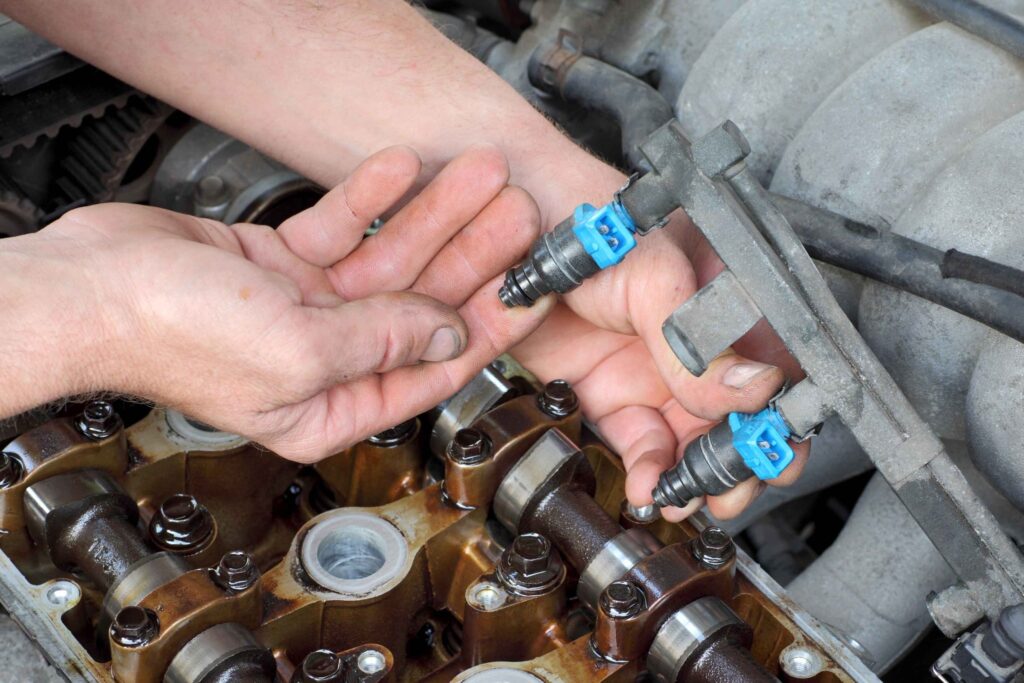
Fuel injectors are key parts in your car’s engine, spraying fuel into the cylinders for combustion. Over time, they can get clogged with deposits from bad fuel, dirt, or carbon buildup, especially in places with inconsistent petrol quality. Many drivers wonder if cleaning them is worth the effort and cost. Based on insights from auto manuals, mechanic forums, and real-user experiences, cleaning can restore performance but is not always necessary. Let us explore when it makes sense, how to do it, and if the benefits outweigh the hassle.
1. Understanding Fuel Injector Problems
Dirty injectors happen because fuel leaves residue as it evaporates, and additives in petrol can form varnish. In Nigeria, where fuel often has impurities from storage or mixing, this buildup is common. It restricts fuel flow, leading to uneven spray patterns. Research from engine labs shows that even 10 percent blockage can drop efficiency by 5 to 15 percent, causing rough idling or poor acceleration. For high-mileage cars over 100,000 kilometers, like common Tokunbo models, this issue shows up faster due to wear.
2. Signs That Suggest Cleaning Might Help
Watch for symptoms like the engine hesitating when you accelerate, especially from a stop in traffic. You might notice lower fuel mileage, say dropping from 12 kilometers per liter to 8 on your Corolla. Rough idling or stalling at lights is another clue, as uneven fuel delivery upsets the air-fuel mix. If the check engine light comes on with codes like P0171 for lean mixture, injectors could be the cause. Mechanic reports indicate these signs often resolve with cleaning, but always scan codes first to rule out other issues like bad sensors.
3. DIY Cleaning Methods You Can Try
One easy way is using fuel system cleaners added to your tank. Products like Techron or Red Line pour in before filling up, and as you drive, they dissolve deposits. Studies from additive makers show they can clear 70 to 90 percent of buildup after one treatment, but they work best for mild cases. Cost is low, around 5,000 to 10,000 naira per bottle, and no tools needed. For deeper cleaning, remove the injectors if your car allows easy access, soak them in cleaner, and use compressed air to flush. This requires tools like wrenches and a bench setup, but tutorials confirm it restores flow rates close to new.
4. Professional Cleaning Options
Shops use machines that hook up to the fuel rail, pumping cleaner through while the engine runs. This flushes the entire system, including rails and valves. According to service bulletins, it removes more stubborn carbon than additives alone, often improving horsepower by 5 to 10 percent in tests. Costs run 20,000 to 50,000 naira, depending on the shop, and it takes an hour. Ultrasonic cleaning, where injectors soak in a vibrating bath, is even better for precision but pricier at 40,000 naira plus. Choose a reputable place to avoid damage from wrong pressure.
5. Weighing the Benefits Against the Costs
Cleaning is worth it if you see clear symptoms, as it can fix misfires and save on fuel over time. Real driver accounts show mileage gains of 1 to 3 kilometers per liter post-clean, paying for itself in months. It also prevents bigger problems like damaged catalytic converters from rich mixtures. However, if your car runs fine, routine cleaning might not add value, as modern injectors are durable. Over-cleaning with harsh chemicals can wear seals, per some lab warnings. For older cars, it extends life, but new ones with good fuel might go 100,000 kilometers without need.
6. How Often Should You Clean Them?
Aim for every 50,000 to 80,000 kilometers, or sooner if using poor fuel. Manuals from Honda and Toyota suggest checking during major services. In dusty or hot areas, do it more often to combat evaporation buildup. Use quality petrol from major stations to delay the need. If you add cleaners regularly, like every oil change, it keeps things preventive without full teardowns.
7. Potential Risks and Alternatives
Be aware that improper cleaning can introduce air bubbles or damage electronics in modern systems. Always follow steps carefully, and for direct-injection engines, professional help is safer. As an alternative, seafoam or similar treatments through intake can help, but they are less targeted. Ultimately, good habits like regular filter changes reduce the need for cleaning.
In summary, fuel injector cleaning is often worth it for noticeable improvements in performance and efficiency, especially in challenging driving conditions. Weigh your symptoms and car age before deciding.