
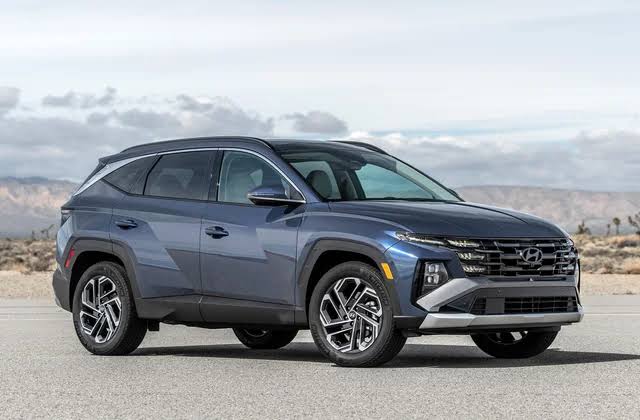
The Hyundai Tucson keeps getting better with each update, and the 2026 model feels like the most polished version yet. It is not trying to be the flashiest compact SUV on the road, but it does almost everything a family driver in Nigeria actually needs: decent space, smooth ride over potholes, good fuel economy in traffic, reliable electronics, and a cabin that does not feel cheap after a few years. Hyundai has sold a lot of these in Lagos, Abuja, and Port Harcourt because they strike a balance that many other brands miss—capable enough for weekend trips to the village, comfortable enough for daily commutes, and affordable to maintain when something eventually wears out.The exterior is evolutionary. The 2026 Tucson keeps the bold grille and parametric lighting from the previous generation but cleans up the lines for a slightly more mature look. The headlights are slimmer LED units that look sharper at night, and the front bumper has a more sculpted shape. Side profile is athletic with strong wheel arches and a floating roofline that makes it feel sporty without being overdone. Rear taillights are connected by a full-width bar that gives a modern, premium feel. Ground clearance is around 181–211 mm depending on trim and wheel size—enough to handle most city potholes and light off-road paths but not for serious bush tracks. The overall design is handsome without being aggressive, which suits Nigerian roads where standing out too much can attract attention you do not want.Powertrain options are straightforward and efficient. The base engine is a 2.5-liter four-cylinder petrol producing about 187 horsepower and 178 lb-ft of torque. It pairs with an eight-speed automatic that shifts smoothly in traffic. Real-world fuel economy in Nigerian city/highway mix typically lands at 9–11 km/l, which is decent for the size. The hybrid version (available on most trims) combines a 1.6-liter turbo four-cylinder with electric motors for a total system output of around 226 horsepower. The hybrid returns 14–18 km/l in city driving and can touch 20 km/l on open roads—real savings when petrol prices spike or stations run dry. The hybrid battery carries an eight-year or 160,000 km warranty, and Hyundai’s hybrid systems have proven reliable in hot, humid climates.
The interior is where the 2026 Tucson really stands out. Materials are noticeably better than earlier generations more soft-touch surfaces on the dash and door panels, less hard plastic in places you touch every day. The dashboard layout is clean and driver-focused, with physical knobs for climate control that are easy to use without looking away from the road. The standard 10.25-inch touchscreen is sharp and responsive, with wireless Apple CarPlay and Android Auto on most trims. Higher models get a larger 12.3-inch screen that flows into the digital instrument cluster. Front seats are supportive with good cushioning, and rear legroom is generous for adults. Cargo space is around 1,038 liters with the rear seats up and over 2,000 liters folded flat—plenty for weekend luggage, market shopping, or family trips.
Safety is a strong point. Hyundai SmartSense is standard across the range. It includes forward collision-avoidance assist with pedestrian and cyclist detection, lane-keeping assist, lane-following assist, adaptive cruise control with stop-and-go, blind-spot collision-avoidance assist, and rear cross-traffic collision-avoidance assist. In real Nigerian driving, the adaptive cruise makes stop-go traffic far less tiring, and lane assist helps on highways when fatigue sets in. Blind-spot monitoring is a lifesaver in crowded cities. The Tucson consistently earns top marks in global crash tests, with strong structure and good occupant protection.
Ride quality is tuned for comfort. The suspension handles potholes well for a compact SUV, and road noise is well controlled for the class. Steering is light and precise, making it easy to maneuver in tight urban streets or park in crowded markets. The cabin stays quiet at highway speeds, which is appreciated on longer drives.
Ownership costs are reasonable. Parts are increasingly available and affordable, mechanics are getting familiar with Hyundai, and insurance premiums stay competitive. Fuel efficiency, especially in the hybrid, keeps running costs down. Resale value is improving Hyundai is gaining trust in the Nigerian used market.
The 2026 Tucson is not trying to be the most exciting SUV to drive. It is trying to be the one you can rely on for years without constant worry. In Nigeria, where reliability, low running costs, and family practicality often matter more than anything else, it remains one of the most balanced compact SUVs you can buy. Test drive the hybrid version if possible the efficiency and smooth power delivery will likely convince you.