
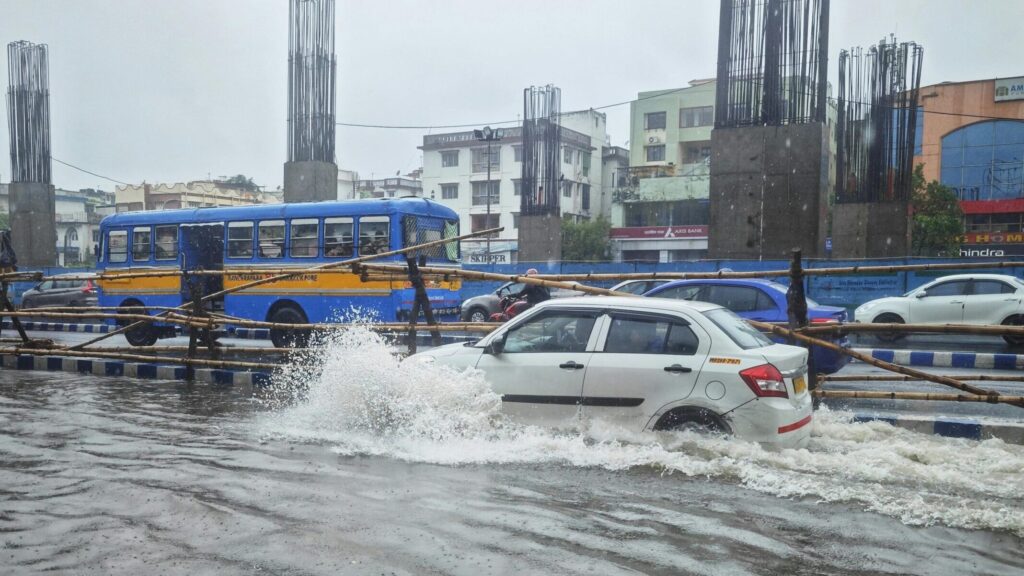
Lagos rainy season turns many roads into rivers, especially in low-lying areas like Lekki, Ajah, Ikeja, Surulere, and parts of the Mainland. Every year, thousands of cars suffer serious damage from floodwater, with repair costs running from ₦500,000 to several millions. The good news is that with proper preparation and smart habits, you can significantly reduce the risk of flood damage to your vehicle.The most important step is elevation and parking strategy. Never park your car in low spots, near drainage channels, or under bridges. Choose higher ground or elevated parking spaces even if it means walking a little further. Many residents in flood-prone areas now use ramps or concrete blocks to raise their cars a few inches higher when parked overnight. If you live in a particularly risky area, consider renting a elevated parking space during the peak rainy months of June to September.
Engine and electrical protection is critical. Water entering the air intake can cause hydro-lock, where the engine seizes because water cannot be compressed. Install a snorkel kit if you frequently drive through flood zones. While expensive, it raises the air intake point and has saved many vehicles in coastal cities. Ensure your air filter housing is properly sealed and consider using a higher-grade, water-resistant filter during the rainy season.
Check and maintain your drainage systems. Clean the sunroof drains, door drains, and floor drains regularly. Blocked drains cause water to enter the cabin and damage carpets, electronics, and seats. Many mechanics recommend applying extra silicone sealant around door seals and bonnet edges before the rains begin.
Tyres and suspension play a major role in flood survival. Ensure your tyres have good tread depth at least 3mm is recommended during rainy season. Bald or worn tyres lose grip quickly on wet roads and increase aquaplaning risk. Consider switching to all-season or rain-specific tyres with deeper grooves for better water dispersion. Keep your suspension in good condition because low ride height makes it easier for water to reach critical components.
Driving techniques during heavy rain can make the difference between safety and disaster. Never drive through floodwater if you cannot see the road surface or if the water level is above the middle of your wheels. As a general rule, if the water is deeper than 15-20cm, it is safer to turn around. If you must cross, drive slowly in first or low gear and maintain a steady speed without changing gears or braking suddenly. This creates a small wave in front of the car that helps push water away from the engine bay.
Always keep an emergency flood kit in your car. This should include a strong towing rope, jump starter, flashlight, rain boots, umbrella, and a basic tool kit. Many drivers in Lagos now also carry a small portable water pump or wet vacuum in their boot during the rainy season.Electronic protection is often overlooked. Raise your battery as high as possible if your car model allows it. Use dielectric grease on all major electrical connectors to repel water. Avoid keeping important documents and valuables on the floor of the car where they can get wet quickly.
For those living in extremely flood-prone areas, investing in a slightly higher-ground-clearance vehicle during the rainy season makes sense. Models like the Toyota RAV4, Honda CR-V, or even some crossovers offer better protection than low sedans. If you must keep a low car, park it at a friend or family member’s place on higher ground during heavy forecast days.After driving through any floodwater, take your car to a mechanic immediately for inspection. Water can damage brakes, electrical systems, and the undercarriage even if the car seems fine initially. Early intervention prevents small issues from becoming expensive problems.
Flood-proofing your car in Lagos is not about completely eliminating risk it is about reducing it as much as possible through preparation, awareness, and good habits. Drivers who take these precautions consistently report far fewer flood-related breakdowns and repairs compared to those who do nothing.
Stay updated with weather forecasts from reliable sources like the Nigerian Meteorological Agency during the rainy season. A few minutes of planning each day can protect your valuable asset from the destructive power of Lagos floods.