
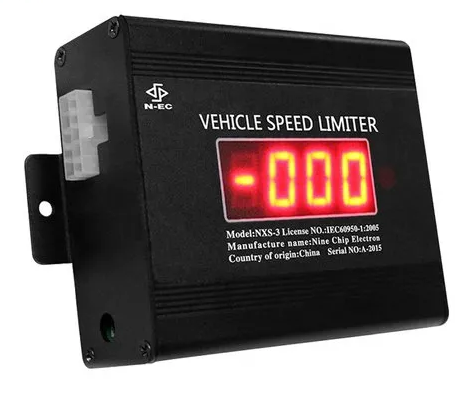
The Federal Road Safety Corps (FRSC) has made significant strides in improving road safety through the mandatory installation of Speed Limit Devices (SLDs) in commercial vehicles across Nigeria. These devices are designed to curb excessive speeding, which remains one of the leading causes of fatal accidents on Nigerian highways. Understanding how these devices function and what compliance entails can help vehicle owners and fleet operators avoid penalties while contributing to safer roads.
Speed Limit Devices are electronic systems installed in vehicles to monitor and restrict maximum speed. The FRSC-approved devices work by interfacing with the vehicle’s engine management system. Once programmed with a specific speed limit (usually 80–100 km/h for commercial buses and trucks, depending on the category), the device automatically intervenes when the vehicle approaches or exceeds the set limit. It does this through progressive warnings: first an audio alert, followed by a visual warning on the dashboard, and finally a reduction in engine power or fuel supply to prevent further acceleration.There are two main types currently in use. The first is the passive device, which only monitors and records speed data for later review. The second, and more common, is the active device, which not only records data but actively controls the vehicle’s speed. These active devices are now mandatory for all commercial vehicles, including buses, tankers, and heavy-duty trucks operating on Nigerian roads. The FRSC works with certified installers to ensure proper calibration based on the vehicle type and route.
Installation must be done by FRSC-approved technicians at designated centres. The process involves connecting the device to the vehicle’s speed sensor and engine control unit. Once installed, the device is sealed and registered in the FRSC database with a unique identification number. Any attempt to tamper with or remove the device triggers an alert that can be detected during routine FRSC checks.
Compliance is straightforward but requires consistency. Vehicle owners must ensure their Speed Limit Device is functional at all times. FRSC officers conduct random checks using handheld scanners that can verify whether the device is active and properly calibrated. Commercial vehicles without a working SLD can be impounded, and the operator may face fines ranging from ₦50,000 to ₦500,000 depending on the severity and repetition of the offence. In extreme cases, the vehicle licence can be suspended.
To stay compliant, schedule regular maintenance of your device every six months or after 20,000 kilometres. Work only with FRSC-certified technicians to avoid using substandard or fake devices, which are increasingly common in some markets. Keep your installation certificate and calibration