
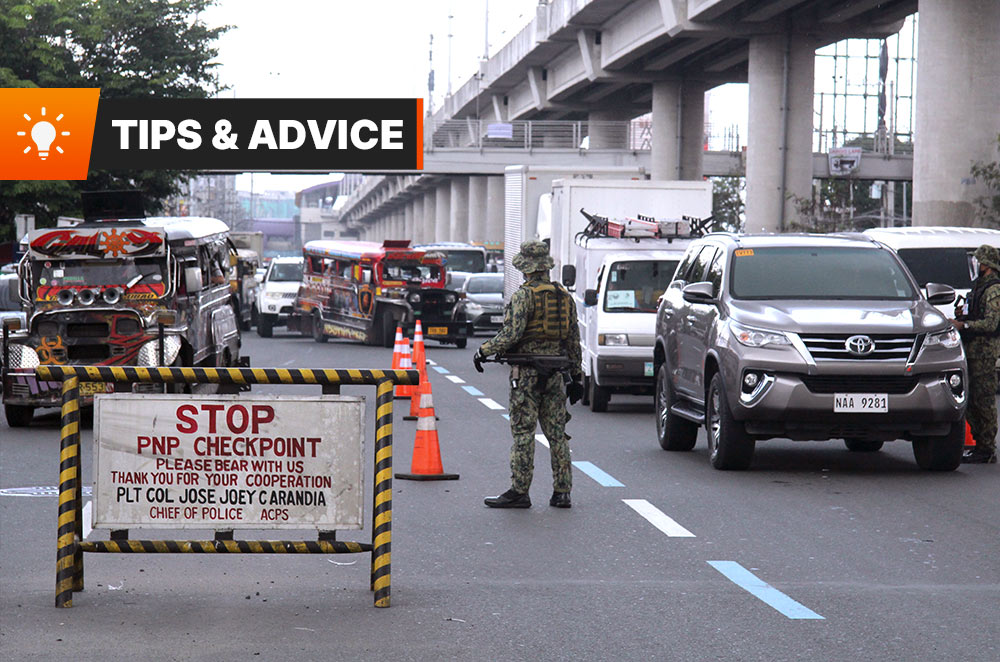
Driving through police or military checkpoints is a common experience on Nigerian roads, especially at night, on highways, and during security operations. Knowing how to behave can turn a potentially stressful situation into a smooth and safe one. Proper conduct helps you avoid unnecessary delays, fines, or worse while protecting your rights as a motorist.The most important rule is to remain calm and cooperative from the moment you see the checkpoint. Slow down early, switch on your interior light at night so officers can see you clearly, and come to a gentle stop when asked. Sudden movements or speeding up can make officers suspicious and escalate the situation quickly. Roll down your window just enough to communicate comfortably and keep your hands visible on the steering wheel.
Always have your documents ready before reaching the checkpoint. Keep your driver’s licence, vehicle registration certificate, insurance, and roadworthiness papers in an easily accessible place. Presenting them promptly shows you are organized and law-abiding. Officers appreciate drivers who make their job easier. If your documents are digital, have them saved clearly on your phone and ready to show.
Be polite and respectful in your speech. Greet the officers properly and answer questions directly without unnecessary arguments. Arguing or raising your voice rarely helps and can lead to prolonged delays or unnecessary searches. A calm “Good evening officer” or “Good morning sir” sets a positive tone. Many officers respond better to respectful drivers.Do not offer or accept bribes. This is one of the most important don’ts at checkpoints. Offering money can be interpreted as an admission of guilt or lead to further demands. If an officer hints at settlement, politely insist on following due process. Recent reforms and public awareness campaigns have reduced this practice, but it still exists in some areas. Stand your ground calmly while remaining respectful.
Never attempt to drive through or bypass a checkpoint without stopping. This is considered suspicious behaviour and can result in serious consequences, including being chased or shot at in high-security zones. Always stop when signalled, even if you think the checkpoint looks informal.At military checkpoints, be extra cautious. Soldiers often operate under higher security protocols, especially in volatile areas. Follow instructions precisely, avoid sudden movements, and do not reach for anything without first informing the officer. If asked to step out of the vehicle, do so calmly and keep your hands visible.
If you are asked to open your boot or allow a search, cooperate fully. However, you have the right to know why your vehicle is being searched. You can politely ask for the reason while complying. Refusing a lawful search can lead to your vehicle being impounded.For female drivers or those travelling at night, it is advisable to have a companion whenever possible. If you are alone, inform someone of your location and expected arrival time. Trust your instincts, if a checkpoint feels suspicious or unofficial, note the details and report it later to the nearest police station or FRSC office.
After passing the checkpoint, drive away carefully and double-check your documents are complete. Some drivers have reported items going missing during searches, so it is wise to mentally note your belongings before any search begins.If you believe an officer has acted improperly, do not argue on the spot. Note the officer’s name, service number, and location. You can file a formal complaint later with the appropriate authority Police Public Complaints Bureau, FRSC, or military authorities depending on the agency involved.
Staying compliant with traffic rules is the best way to pass checkpoints quickly. Ensure your vehicle lights are working, your tyres are in good condition, and your documents are up to date. Many stops happen because of minor visible violations.Nighttime checkpoints require additional caution. Drive slower, increase your following distance, and stay alert. Avoid using your phone or any distractions that reduce your attention on the road and surrounding environment.
By approaching every checkpoint with calmness, respect, and preparedness, you make the experience safer for yourself and the officers on duty. Most interactions at checkpoints are routine and end quickly when drivers follow basic guidelines. Your attitude and preparation play a big role in how smoothly things go.
Safe driving includes knowing how to navigate official stops effectively. Stay informed about your rights, remain respectful, and always prioritize safety when driving through police and military checkpoints anywhere in Nigeria