
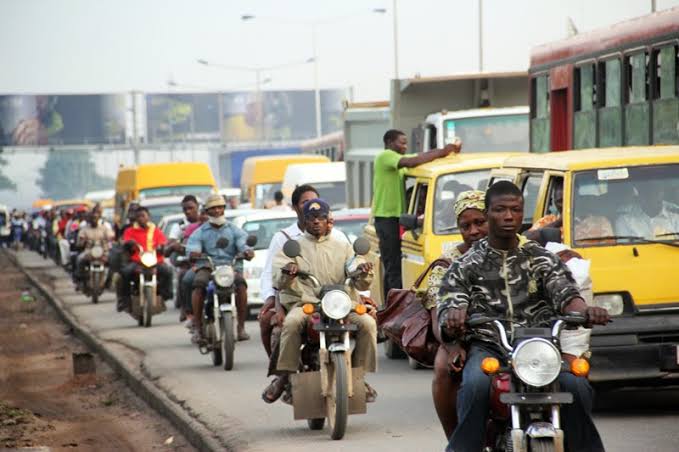
Sharing Nigerian roads with okada (motorcycles) and keke (tricycles) requires constant alertness and defensive driving. These two-wheelers and three-wheelers are everywhere, especially in cities like Lagos, Abuja, Port Harcourt, and Onitsha. They weave through traffic, carry passengers, and often appear suddenly from blind spots. Understanding how to coexist with them safely can prevent many serious accidents that happen daily on our roads.Okada and keke riders frequently change lanes without signals, overtake on the wrong side, and filter between vehicles in slow-moving traffic. Many riders are in a hurry to meet targets or beat traffic, which makes their movements unpredictable. As a car driver, you must assume they will do the unexpected and create enough space for their maneuvers.
Always maintain extra following distance when behind an okada or keke. In heavy traffic, leave at least one full car length so you have time to react if they brake suddenly or swerve to avoid a pothole. Their smaller size means they can stop much faster than a car, and many riders do not use brake lights consistently.
Check your mirrors frequently, especially the side mirrors. Okadas love to ride in your blind spots. Before changing lanes or turning, signal early and do a proper shoulder check. Many accidents occur when cars turn across the path of an oncoming okada that was hidden in the blind spot.
Be extra careful at junctions and intersections. Keke and okada riders often jump traffic lights or emerge from side roads without stopping. Slow down when approaching any junction, even if you have the right of way. In Lagos go-slow, expect riders to squeeze through tiny gaps between vehicles. Give them room to pass safely rather than trying to block them.At night, the risk increases significantly. Many okadas and kekes have poor or no lights. Drive slower than usual, use high beams when safe, and watch for small moving shadows or reflections. Avoid overtaking clusters of motorcycles at night.Watch for passengers on okadas. Riders often carry more people than is safe, and passengers can shift balance suddenly, causing the bike to swerve into your lane. Give them wider berth, especially when the road is wet or bumpy.When approaching speed breakers or potholes, anticipate that okada riders will swerve sharply to avoid them. Predict their movement and adjust your position accordingly. In rainy season, be even more cautious because wet roads make two-wheelers less stable.
Avoid aggressive horn use. While it may seem helpful to warn riders, constant honking can startle them and cause dangerous reactions. Use your horn sparingly and gently when necessary.For your own safety, keep your doors locked and windows up in heavy traffic. Some criminals use okadas for snatch-and-run thefts. Stay aware of your surroundings and avoid distractions like phone calls while driving in busy areas.
If you are driving a larger vehicle like an SUV or bus, remember that riders may not judge your size and speed correctly. Give them extra time and space when turning or merging.The best approach is defensive driving. Always expect the unexpected from okada and keke operators. Reduce speed in areas with high motorcycle activity, such as markets, schools, and residential neighborhoods. Many accidents involving cars and two-wheelers happen because car drivers assume riders will behave predictably.Teaching young drivers these habits early is important. Parents who drive with children should point out okada and keke movements to help them develop road awareness from a young age.
By respecting the space and unpredictability of okada and keke riders, you contribute to overall road safety. Small adjustments in your driving style more patience, better observation, and extra caution can prevent collisions that often result in serious injuries or fatalities.
Safe driving is a shared responsibility. When car drivers and two-wheeler operators show mutual respect and caution, everyone reaches their destination safer.