
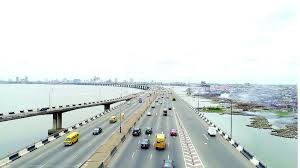
Brake failure on the Third Mainland Bridge or while descending steep hills in places like Enugu, Jos, or parts of Abuja is one of the most terrifying experiences a driver can face. The long descent, heavy traffic, and limited escape options make these locations particularly dangerous. Knowing exactly what to do in those critical seconds can mean the difference between a close call and a major tragedy.
The first and most important action is to stay calm. Panic causes many drivers to make fatal mistakes like slamming the brakes harder or swerving wildly. Take a deep breath and focus on controlling the vehicle. Your priority is to slow down safely and get out of the flow of traffic.Immediately begin pumping the brake pedal firmly and repeatedly. Sometimes residual pressure remains in the system, and pumping can restore enough braking power to slow you down. At the same time, activate your hazard lights to warn drivers behind you.
Shift to a lower gear right away. This is called engine braking and is one of the most effective ways to reduce speed when brakes fail. In an automatic transmission, move the gear selector to “L” or “2”. In a manual car, downshift one gear at a time without forcing the engine to over-rev. The lower the gear, the stronger the engine braking effect becomes. This technique works particularly well on the long downward slopes of the Third Mainland Bridge.
Engage the emergency (hand) brake gradually. Do not yank it up suddenly, as this can cause the car to skid, especially at high speed. Apply it firmly but progressively while maintaining steering control. On modern vehicles with electronic parking brakes, use the button carefully.Look far ahead and plan your escape. On the Third Mainland Bridge, your options are limited, so try to move toward the slow lane or shoulder if safe. Look for any open space, breakdown lane, or exit ramp. Avoid hitting other vehicles at all costs. If you are descending a steep hill, steer toward the side of the road with an upward slope or softer ground that can help slow you down naturally.
Use your horn continuously to alert other road users. Flash your headlights as well. Other drivers noticing your emergency may create space for you. On the Third Mainland Bridge, many drivers have survived by successfully moving to the side and allowing the car to slow down against the guardrail in a controlled manner.If the car has an automatic transmission, some models allow you to shift to manual mode and downshift using paddle shifters or the gear lever. This gives you more control during the emergency.Once you manage to stop the vehicle safely, do not attempt to drive it again. Call for professional towing and have the brake system thoroughly inspected. Brake failure is often caused by fluid leaks, worn pads, faulty master cylinder, or overheating. Continuing to drive after such an incident is extremely dangerous.
Prevention is always better than cure. Regular brake maintenance is essential in Nigeria’s stop-and-go traffic. Change brake fluid every two years, inspect pads and discs frequently, and avoid riding the brakes on long descents. When driving down steep hills, use lower gears from the beginning to reduce strain on the brakes.Many drivers on the Third Mainland Bridge and steep hills have survived brake failure by staying calm, using engine braking, and communicating their emergency clearly to other road users. These techniques are taught in advanced defensive driving courses and have proven effective in real Nigerian road conditions.
Keep an emergency kit in your car with a reflective triangle, flashlight, and basic tools. Consider installing a brake fluid level warning system if your car does not have one. For those who frequently use long bridges and hilly routes, learning basic vehicle control techniques can greatly increase your confidence and safety.
Brake failure on high-speed or elevated roads is rare when vehicles are properly maintained, but it can happen to anyone. Knowing these survival steps gives you the best possible chance of walking away safely. Drive defensively, maintain your vehicle regularly, and always stay alert when navigating challenging routes like the Third Mainland Bridge or steep hills across the country