
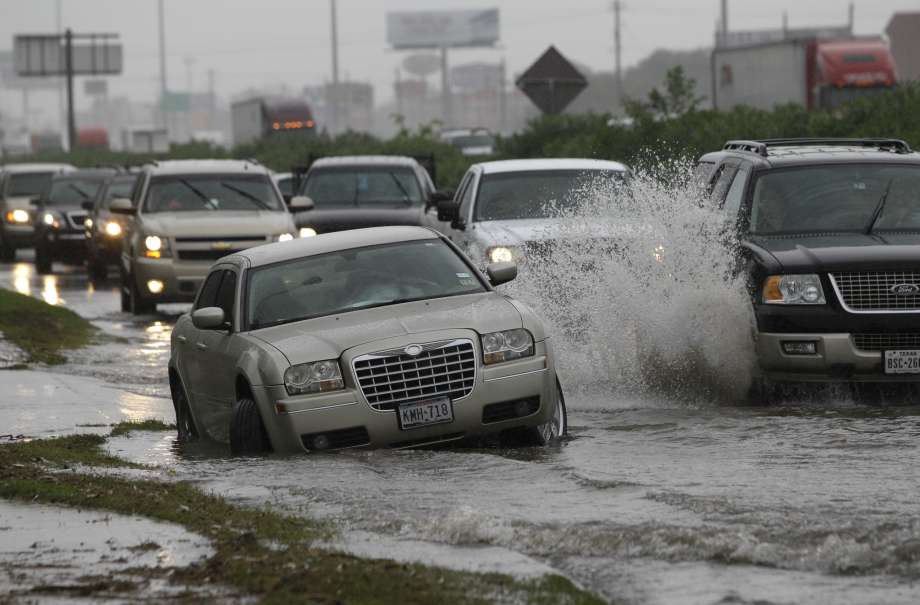
Flood-damaged cars are unfortunately common in Nigerian markets, especially in places like Ladipo, Berger, and other major tokunbo hubs. Heavy rains, poor drainage, and occasional flash floods push many vehicles into water, and dishonest sellers often try to clean and resell them as clean imports. Buying one can lead to expensive electrical failures, hidden rust, and safety issues months later. Learning how to identify flood damage before you pay is one of the most valuable skills any car buyer in Nigeria can have.
Start your inspection from the interior. Water leaves behind clear signs even after thorough cleaning. Lift the carpets and check the floor mats and underlay. Flooded cars often have lingering dampness, water stains, or a musty, mouldy smell that does not go away. Look carefully at the seat belts if they feel stiff or show water lines, they were likely submerged.
Check the trunk area thoroughly, as water collects there easily. Pay attention to the headliner (roof lining). If it sags or shows discolouration, water probably reached the roof.Electrical systems suffer the most in flooded cars. Test every button and feature inside the vehicle. Try the windows, door locks, radio, air conditioning, and all dashboard controls. Intermittent failures or strange behaviour are major red flags. Flood water is highly corrosive to wiring and modules. Even if everything works during a short test drive, problems often appear weeks later when corrosion spreads.The engine bay reveals a lot. Look for signs of rust on metal surfaces that should normally be clean. Check around the battery tray, fuse box, and wiring harnesses for white or greenish corrosion. A strong, fresh detailing smell in the engine bay is sometimes used to mask flood damage. Remove the air filter and inspect it. If it shows signs of having been wet or replaced recently without explanation, be cautious.
Undercarriage and structural checks are equally important. Rust on the frame, suspension components, or exhaust system that looks fresh and inconsistent with the car’s age is a warning. Flood water often leaves mud and silt in hard-to-reach areas. If possible, have the car lifted at a mechanic shop for a proper underbody inspection.
Documentation and history tell the real story. Always request a full vehicle history report. In Nigeria, many flood-damaged cars come with incomplete or suspicious paperwork. Compare the VIN number on the dashboard, engine bay, and chassis. Mismatched or recently changed VIN plates are serious red flags. Ask detailed questions about the car’s previous location and service history. Honest sellers usually have clear answers.
During the test drive, listen and feel carefully. Strange electrical gremlins, unusual smells when the AC is running, or dampness after the car has been running for a while are all warning signs. Pay attention to how the car behaves when going through small puddles flood-damaged vehicles may show electrical issues immediately.
Many flood cars are sold during the dry season when signs are easier to hide. Be extra careful between November and April. The best protection is hiring an experienced, independent mechanic for a pre-purchase inspection. A good mechanic who knows flood damage patterns can spot issues that even careful buyers miss. This inspection usually costs between ₦15,000 and ₦30,000 but can save you hundreds of thousands in future repairs.
If you decide to buy a suspected flood-damaged car because the price is very attractive, budget extra for immediate electrical and cleaning work. Many buyers negotiate significant discounts when they discover flood history. However, for most average drivers, avoiding flood-damaged cars altogether is the wiser choice.The Nigerian market will always have flood cars mixed with clean ones. Sellers are becoming more sophisticated at hiding damage, but the signs are still there if you know where and how to look. Take your time, inspect thoroughly, and never rush into a deal that seems too good to be true.
By staying alert and using these practical checks, you can significantly reduce your chances of buying a flood-damaged vehicle. A few extra hours of careful inspection can protect you from years of frustration and expensive repairs on Nigerian roads.