
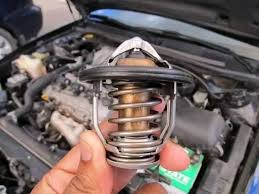
In Nigeria’s intense heat, many mechanics and roadside technicians routinely remove the thermostat from car engines, claiming it helps prevent overheating. This practice has become so widespread that some car owners now request it themselves, believing it improves cooling during the dry season or heavy traffic. In reality, removing the thermostat is a harmful shortcut that often causes more engine problems than it solves. Understanding how the cooling system actually works helps you protect your engine and avoid unnecessary repairs.
The thermostat is a small valve that regulates coolant flow. When the engine is cold, it stays closed so coolant circulates only within the engine block, allowing faster warm-up. Once the engine reaches optimal temperature (usually around 85–95°C), the thermostat opens and lets coolant flow through the radiator for proper cooling. This maintains a stable operating temperature, which is critical for efficient combustion, reduced emissions, and long engine life.
The popular myth in Nigeria is that removing the thermostat allows constant coolant flow to the radiator, keeping the engine cooler in our hot climate. This sounds logical on the surface, but it ignores how engines are engineered. Modern engines, especially in Toyota, Honda, and Hyundai models common in Nigeria, are designed to run at a specific temperature range. Running too cool is almost as damaging as running too hot.
When the thermostat is removed, the engine takes much longer to reach proper operating temperature. This leads to incomplete fuel combustion, increased fuel consumption, higher emissions, and accelerated wear on critical components like piston rings, cylinder walls, and bearings. In cold morning starts during harmattan, the problem becomes worse because oil does not circulate properly when the engine runs too cool.
Mechanics who frequently see engines with removed thermostats report common issues: oil dilution from unburned fuel, sludge buildup, premature wear on the timing chain or belt, and even cracked cylinder heads in extreme cases. The constant flow of cooler water also causes temperature fluctuations that stress gaskets and seals. Over time, this leads to coolant leaks, overheating episodes, and expensive engine repairs.
In heavy Lagos or Abuja traffic, where engines idle for long periods, a properly functioning thermostat is even more important. It helps maintain consistent temperature despite stop-and-go conditions. Without it, the engine may actually run hotter overall because the cooling system cannot regulate itself effectively.Proper cooling system maintenance is far more effective than removing the thermostat. Use the correct coolant mixture (usually 50/50 with distilled water) and change it every two years or 40,000 kilometres. A clean radiator, working water pump, and good radiator fan make a bigger difference in preventing overheating than removing any component. Regular inspection of hoses, the radiator cap, and the thermostat itself during servicing helps catch problems early.
If your mechanic suggests removing the thermostat, ask for a clear explanation and consider getting a second opinion. Reputable workshops understand that modern engines need proper temperature regulation. In some older carbureted vehicles, removing the thermostat was occasionally done decades ago, but today’s fuel-injected engines with electronic controls are designed differently and suffer when modified this way.For those experiencing repeated overheating, the solution usually lies in fixing the root cause a failing water pump, clogged radiator, faulty radiator fan, or low coolant level rather than bypassing the thermostat.
Addressing the actual problem saves money and protects the engine from long-term damage.Many experienced mechanics in Nigeria now advise against thermostat removal and instead focus on proper maintenance and using quality coolant. Drivers who follow this approach report more consistent engine performance, better fuel economy, and fewer major repairs even during the hottest months.
The thermostat exists for a reason. It is not an unnecessary part that can be casually removed to solve overheating. Treating it as such often leads to bigger, more expensive problems down the line. Taking care of your cooling system through regular servicing and using the right components is the smartest way to keep your engine healthy in Nigeria’s demanding climate.
By understanding the real function of the thermostat and avoiding harmful shortcuts, you give your car the best chance of reliable, long-term performance on our roads.