
Heavy rain in Nigeria often leaves many drivers stranded with cars that refuse to start. Flooded roads, poor drainage, and sudden downpours can affect critical electrical and mechanical components. The good news is that most rain-related starting problems are fixable at home or with basic tools if you know where to look. Understanding the common causes and following a logical troubleshooting process can get your car running again quickly and safely.
The most frequent culprit is water entering the ignition system. Rain can seep into spark plug wells, coil packs, or the distributor (on older cars), causing short circuits or weak sparks. On modern fuel-injected vehicles, moisture on the ignition coils or wiring harness is a common issue. Another major problem is water reaching the air intake. If your engine sucked in water through the air filter, it can cause hydro-lock, where water in the cylinders prevents the engine from turning over. Battery terminals and ground connections also suffer when water mixes with dirt, creating corrosion that breaks electrical contact.Start your diagnosis with the simplest checks.
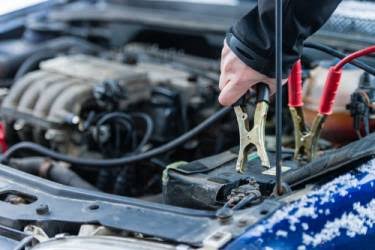
First, ensure the battery is not drained. Heavy rain and attempts to start the car can quickly drain a weak battery. Turn on the headlights. If they are dim or do not come on at all, charge or jump-start the battery. Clean the terminals thoroughly with a wire brush and baking soda solution if you see white or greenish corrosion. A good connection here solves many post-rain starting issues.
Next, inspect the engine bay for standing water. Open the bonnet and look for pooled water around the spark plugs, ignition coils, and fuse box. Wipe everything dry with a clean cloth. Remove the spark plugs if necessary and dry them. On coil-on-plug systems (common in Toyota, Honda, and Hyundai), dry the coils and their connectors carefully.
Spray electrical contact cleaner on wet connectors and wiring to displace moisture.If the engine cranks but does not start, check the air intake system. Remove the air filter and inspect it for wetness. If it is soaked, replace it immediately. Look inside the intake pipe for signs of water ingestion. If water entered the engine, do not keep trying to start it.
Remove the spark plugs and crank the engine briefly to expel water from the cylinders. This prevents serious damage from hydro-lock.For cars with carburettors or older fuel systems, water in the fuel tank or lines is another possibility. Drain a small amount of fuel from the tank to check for contamination. In severe cases, the fuel pump or injectors may need cleaning or replacement.Once the wet components are dried, try starting the car again. If it still refuses, check the fuses and relays in the engine bay. Rain can cause corrosion or temporary shorts that blow specific fuses.
Replace any that look damaged.If the starter motor does not crank at all, the problem may be with the starter solenoid or ground connections. Heavy rain can cause temporary faults that resolve after drying. In persistent cases, the starter may need removal and cleaning.
Prevention is always better than cure. Before the rainy season, apply dielectric grease to electrical connectors, spark plug boots, and battery terminals. Ensure your air intake snorkel (if fitted) is positioned high enough. Park on higher ground when heavy rain is forecast. Consider installing splash guards or additional seals around the engine bay if you frequently drive through flooded areas.Many drivers in Lagos and other flood-prone cities have learned to act quickly after heavy rain. Drying components thoroughly and avoiding repeated starting attempts prevents further damage to the starter, battery, and engine. If the car still will not start after basic drying and cleaning, have it towed to a trusted mechanic rather than risking deeper damage by forcing it.
Understanding these rain-related starting problems helps you respond calmly and effectively. Most issues are temporary and resolve with simple drying and cleaning. By taking preventive measures and knowing the troubleshooting steps, you can minimize downtime and protect your engine during Nigeria’s heavy rainy season.
A reliable car during the rains comes from both good maintenance and quick, correct action when problems appear. With these practical steps, you can get back on the road safely after even the heaviest downpour.