
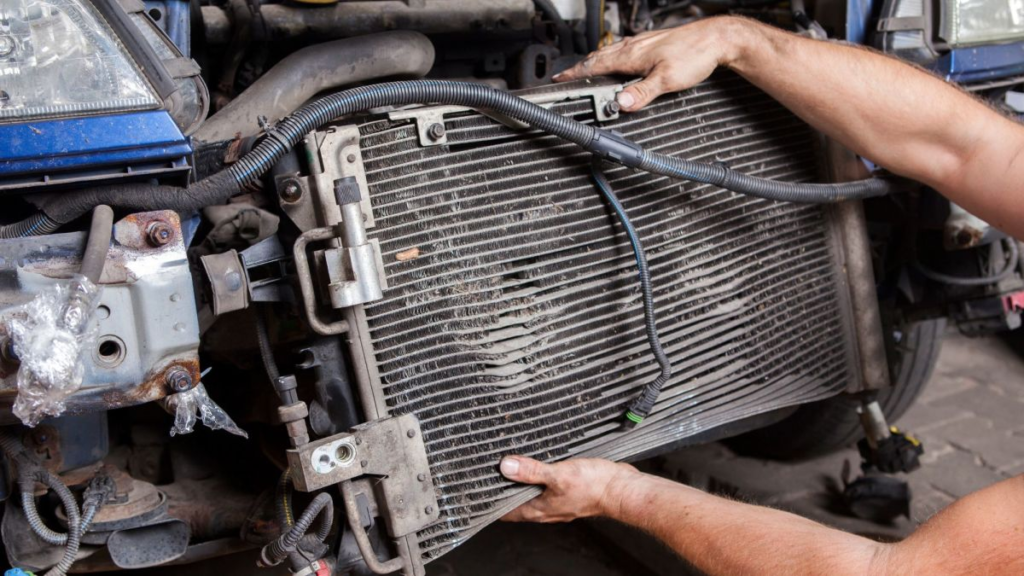
Nigerian roads, heat, and traffic place heavy demands on a car’s cooling system. Dust from harmattan, stop-and-go congestion, and high under-bonnet temperatures accelerate the build-up of rust, scale, and sludge inside the radiator and engine passages. A proper radiator flush removes these deposits, restores cooling efficiency, and helps prevent the overheating that strands many drivers during the hottest months. Done correctly, the job is straightforward and well within the reach of a careful owner.
Begin only when the engine is completely cold. Opening a hot radiator releases pressurised steam and scalding coolant that can cause serious burns. Park on level ground, allow several hours after the last drive if necessary, and wear gloves and eye protection. Place a large drain pan under the radiator.Locate the drain valve, usually a plastic petcock at the bottom corner of the radiator, or loosen the lower radiator hose if no valve is present. Open the valve or remove the hose and let the old coolant drain fully.
Remove the radiator cap to speed the flow. Dispose of the used coolant responsibly; it is toxic to animals and should never be poured into drains or onto the ground. Many workshops and some service stations accept used coolant for proper disposal.Once empty, close the drain or refit the hose. Pour a commercial radiator flush solution into the filler neck according to the product instructions, then top up with clean water. Distilled or deionized water is strongly preferred in Nigeria. Ordinary borehole or tap water contains minerals that leave new deposits and can corrode aluminium components over time.
Replace the radiator cap, start the engine, and turn the heater to maximum heat. Allow the engine to reach normal operating temperature and run for ten to fifteen minutes so the cleaner circulates through the entire system, including the heater core.Switch off the engine and wait until it is fully cold again. Drain the cleaning solution completely. Refill with distilled water only, run the engine once more with the heater on, then drain again. Repeat this plain-water rinse until the liquid coming out runs clear. This step is important because residual cleaner left in the system can reduce the effectiveness of fresh coolant.
After the final drain, close everything securely. Refill the system with the correct coolant mixture. Most modern cars use a 50/50 mix of quality antifreeze/coolant and distilled water, although some manufacturers specify ready-mixed coolant. In Nigeria’s climate the anti-freeze aspect is less critical than corrosion protection and a high boiling point, so choose a reputable product designed for aluminium radiators and local temperature extremes. Fill the radiator to the top and the expansion tank to the marked level.
Start the engine with the radiator cap off and the heater on. As the thermostat opens, the coolant level will drop; top it up as needed. Squeeze the upper radiator hose gently a few times to help release trapped air. Once the level stabilises and the engine reaches operating temperature without overflowing, switch off, allow a final cool-down, and recheck the level the next morning. Top up if required.External cleaning of the radiator fins should form part of the same maintenance session. Dust, insects, and leaves restrict airflow and reduce cooling efficiency. With the engine cold, gently blow compressed air or use low-pressure water from the engine side outward.
Avoid high-pressure jets that can bend the delicate fins. A soft brush can dislodge stubborn debris.In Nigerian conditions a full flush every 18 to 24 months, or sooner if the coolant looks rusty or the engine has run unusually hot, is a practical interval. Vehicles that spend long hours in traffic or operate in very dusty areas may benefit from more frequent attention. Always inspect hoses, clamps, and the radiator cap during the process; replace any that show cracks, swelling, or poor sealing.
A properly flushed and refilled cooling system runs cooler, places less stress on the water pump and head gasket, and reduces the risk of sudden overheating on a long trip or in dense city traffic. Taking the time to use distilled water, a proper cleaner, and quality coolant pays for itself in reliability and peace of mind. If at any point the job feels beyond your comfort level, a competent local workshop can perform the same steps with the right equipment and dispose of the waste correctly.