
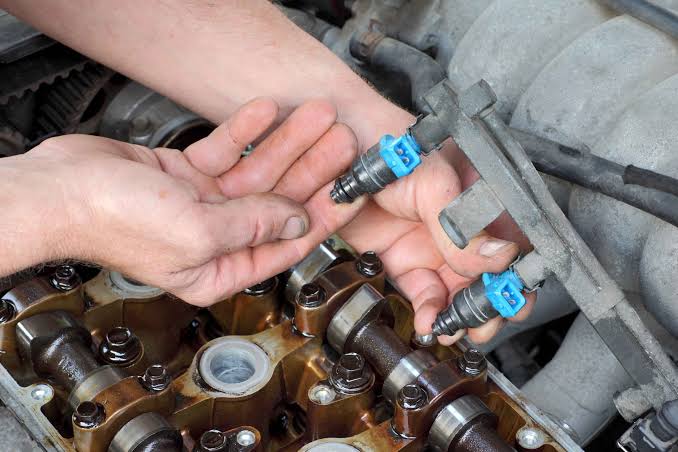
Fuel injectors meter precise amounts of fuel into the engine. Over time, especially with variable fuel quality and short-trip driving, deposits can form on the injector tips and internal passages. These deposits disrupt the spray pattern, leading to rough idle, hesitation, reduced power, or higher fuel consumption. Cleaning them at home is possible, but the methods must stay gentle enough to avoid harming the injectors, seals, or fuel system.
The safest and most accessible approach for most owners is the use of a quality in-tank fuel injector cleaner. These products are added to the fuel tank and work as the engine runs. Look for cleaners that list polyether amine, commonly called PEA, as a primary detergent. PEA has a strong track record for dissolving carbon and varnish without attacking metal or plastic components when used as directed. Well-known examples include concentrated formulas from established brands that specialise in fuel-system chemistry.
Before adding any cleaner, make sure the tank is reasonably low so the product is not overly diluted. Pour the recommended amount into the tank, then fill with petrol. Drive the car normally until most of the tank is used. This gives the cleaner time to circulate through the injectors at operating temperature. Avoid the temptation to use multiple bottles at once or to exceed the stated dose. Over-concentration can overwhelm the system or leave residues that create new problems.
Some drivers prefer a stronger on-car cleaning method that feeds concentrated solvent directly into the fuel rail. Commercial kits exist for this purpose. They typically involve relieving residual fuel pressure, connecting an adapter to the rail, and running the engine on the cleaning solution while the normal fuel pump is disabled. When performed exactly according to the kit instructions, with the correct adapters and pressure settings, this method can remove more stubborn deposits than a simple tank additive. However, it introduces real risks. Fuel vapour is flammable, incorrect pressure can damage regulators or seals, and poor connections can create leaks. Only attempt this if you are comfortable working around pressurised fuel lines and have a well-ventilated outdoor space free of sparks or open flames.
Removing the injectors for bench cleaning is rarely advisable at home. Modern injectors are precision components with fine tolerances and delicate electrical connectors. Improper handling can bend pintles, damage filter baskets, or compromise the spray orifices. Ultrasonic cleaning and flow testing belong in a specialised workshop that has the correct equipment and can verify each injector’s performance afterward. Attempting to soak or scrub injectors on a workbench often does more harm than good.Certain practices should be avoided entirely.
Pouring random solvents, carburettor cleaner, or homemade mixtures into the tank can swell seals, corrode components, or leave sticky residues. Running an engine dry of fuel while concentrated cleaner is present can also cause damage. Never ignore the manufacturer’s dosage or safety instructions printed on the bottle.Results vary with the severity of the deposits. Light varnish and early carbon build-up often respond well to one or two treatments with a good PEA cleaner.
Hardened deposits that have accumulated over years of neglected maintenance may only partially improve. If rough running, misfires, or poor fuel economy persist after cleaning, the injectors may need professional ultrasonic service or replacement. A diagnostic scan that shows fuel-trim imbalances or misfire counts on specific cylinders can help confirm whether the injectors are the true culprit.
Prevention remains the easiest form of care. Using reputable fuel from busy stations, occasionally adding a quality cleaner as maintenance rather than a rescue treatment, and avoiding consistently short trips that never fully warm the engine all reduce deposit formation. Replacing the fuel filter at the recommended interval also protects the injectors from debris.
Home cleaning works best as regular upkeep or for mild symptoms. It is not a miracle cure for severely restricted or mechanically damaged injectors. When performed with a proven detergent additive and realistic expectations, it can restore smoother running and better efficiency without the risk of physical damage that comes from unnecessary disassembly. If the engine’s behaviour does not improve or if warning lights appear, professional diagnosis is the safer next step.