
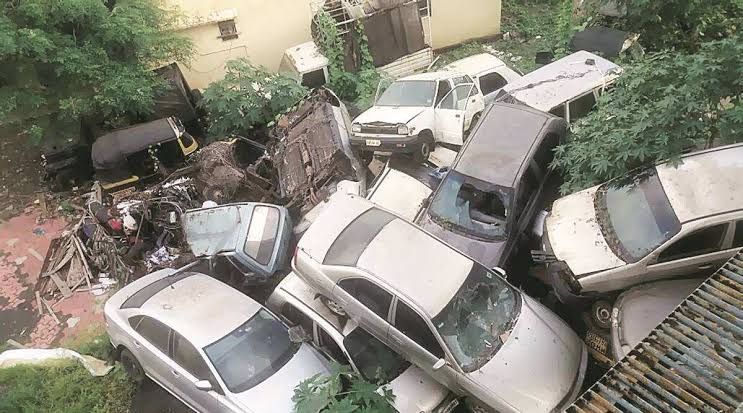
Proposals to restrict or ban vehicles older than fifteen years, whether through import limits or broader fleet rules, surface regularly in countries that rely heavily on used cars. Supporters present the measure as a route to cleaner air, safer roads and a more modern vehicle fleet. Opponents argue that age alone is a blunt instrument that can raise transport costs for households least able to absorb them. Both perspectives contain valid points that deserve clear examination.
On the positive side, older vehicles generally produce higher emissions of pollutants that affect urban air quality. Engines and emission-control systems from earlier decades were designed to less demanding standards. Removing the oldest vehicles from circulation or preventing their import can reduce the volume of particulate matter, nitrogen oxides and other harmful exhaust components, particularly in congested cities. Newer vehicles also tend to incorporate improved safety features such as better brakes, more effective lighting, stronger body structures and, in many cases, airbags and electronic stability systems. Over time a younger fleet can contribute to fewer severe injuries in collisions.A further argument centres on economic and industrial policy. Limiting very old imports can encourage demand for newer used vehicles or for locally assembled models. This may support domestic assembly operations, create related employment and reduce the inflow of cars that require frequent, foreign-currency-intensive spare parts. Some policymakers also see age restrictions as a way to discourage the dumping of vehicles that no longer meet standards in their countries of origin.
The drawbacks are equally practical. In many markets the majority of households depend on used vehicles because new cars remain far beyond average incomes. A fifteen-year cut-off immediately narrows the pool of affordable options. Buyers who might have purchased a well-maintained sixteen- or eighteen-year-old car are pushed toward newer, more expensive alternatives or forced to delay replacement. The result can be that existing older vehicles stay on the road longer, precisely the opposite of the intended modernisation.Age is an imperfect proxy for condition. A carefully maintained fifteen-year-old vehicle with sound structure, effective brakes and proper servicing can be safer and cleaner than a neglected ten-year-old car. Conversely, a strict birthday rule excludes the former while still admitting the latter. Critics therefore argue that roadworthiness testing, emissions inspection and structural checks would target actual risk more accurately than a calendar cut-off.
The used-vehicle trade itself supports large numbers of livelihoods importers, clearing agents, mechanics, spare-parts dealers and transporters. Abrupt restrictions can disrupt these networks and reduce the availability of affordable mobility for commercial users such as taxis and small logistics operators. In countries where public transport is limited, personal or shared older vehicles often fill essential gaps. Raising the cost of those vehicles without concurrent improvements in public options can impose real hardship.Enforcement challenges also arise. Strict age limits can encourage informal cross-border movements, under-declaration of vehicle age, or the use of transit routes that weaken the policy’s effect. Without consistent inspection capacity and regional coordination, the rules risk becoming unevenly applied.
A balanced assessment recognises that fleet modernisation and pollution reduction are legitimate goals. At the same time, mobility is a basic economic need. Policies that combine reasonable age guidance with rigorous roadworthiness and emissions testing, phased implementation, and support for affordable newer options tend to produce better outcomes than sudden, age-only bans. The most effective approaches usually address the condition of vehicles rather than relying solely on the year they left the factory. Any proposed fifteen-year restriction should therefore be weighed against its likely impact on household budgets, the integrity of enforcement, and the availability of practical alternatives for the many drivers who currently depend on older cars.