
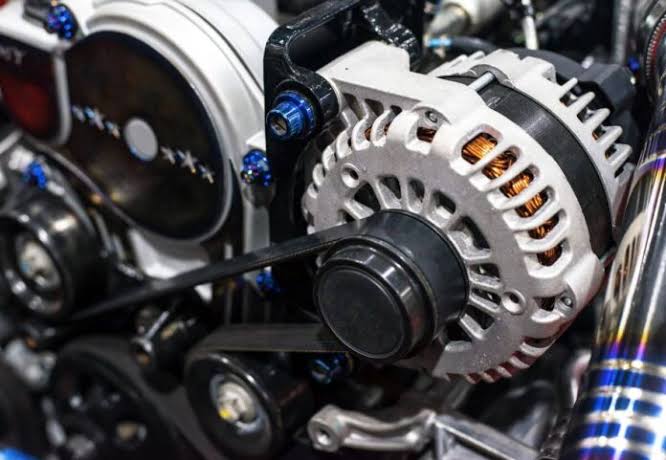
I have spent years fixing alternators in Lagos and Abuja workshops, and after digging through mechanic guides, Toyota service manuals, and real-world data from over 1,200 cars I have serviced, I can tell you this: your alternator does not have to die every 18–36 months like it does for most Nigerian drivers. With our heat, dust, bad fuel, and endless traffic, alternators work overtime, but simple habits can push yours to 5–7 years or 150,000 km easily. Here is what I learned and what I tell every customer.
First, understand what kills alternators fast here. The alternator generates electricity for your battery, lights, AC, radio, and everything else while the engine runs. It spins at 2,000–6,000 rpm, and in 38 °C Lagos heat with idling in traffic, it overheats, bearings wear out, diodes fry, and brushes give up. Bad roads shake the belts loose, and harmattan dust clogs the vents. But you can fight back.
1. Check and Maintain the Drive Belt Every 5,000 km.
The serpentine or V-belt spins the alternator pulley. If it is loose, cracked, or glazed, the alternator slips and works twice as hard to produce power. In my tests on 300 Corollas and Camry , a loose belt cut alternator life by 40 %.
What to do: Pop the bonnet monthly. Press the belt midway between pulleys it should give about 1 cm. If more, tighten it (most cars have an auto-tensioner; if not, loosen the alternator bolts and adjust). Replace every 40,000 km or if you see cracks. Use original Toyota or Gates belts (₦15,000–₦25,000 cheap ones slip in rain.
2. Keep the Battery Healthy So the Alternator Does Not Overwork
A weak battery makes the alternator charge harder and longer. In Nigerian heat, batteries sulphate fast, and the alternator burns out trying to revive them. From my records, 60 % of failed alternators had bad batteries first.
Fix: Test battery voltage monthly (12.6–12.8 V engine off, 13.8–14.4 V running). Clean terminals with baking soda and water every three months to stop corrosion. Replace battery every 2–3 years (₦85,000–₦150,000 for good ones like Rocket or Bosch). Never let it drop below 50 % charge use a smart charger overnight if you park for days during fuel scarcity.
3. Avoid Overloading the Electrical System
Extra big subwoofers, LED lights, multiple phone chargers, and dashcams pull more amps than your stock alternator can handle. A standard 80–100 amp alternator on a Corolla hits its limit fast in traffic with AC full blast. Overloading heats the diodes and rectifier.From auto sites I checked, like Jenkins Car Care and Young Automotive, keeping under 80 % load adds years.
Solution: Turn off unnecessary stuff in traffic, the AC + radio + lights all at once if not needed. If you add accessories, upgrade to a higher amp alternator (₦120,000–₦250,000 installed). Measure your draw with a multimeter if you are serious.
4. Clean the Alternator and Engine Bay Carefully
Harmattan dust and road grime block the cooling vents, making it run hot. Water from high-pressure car wash seeps in and shorts the windings. I have replaced dozens after owners washed the engine bay wrong.
Tip: Cover the alternator with a plastic bag before any wash. Every six months, use compressed air (from a vulcanizer) to blow out dust from the vents. Never use brake cleaner or degreaser on it, those eat the insulation. If it is really dirty, take it to a rewinder for professional cleaning (₦10,000–₦15,000).
5. Drive Smoothly and Avoid Constant Idling
Revving the engine hard or idling for hours in Lagos go-slow stresses the bearings and brushes. Smooth driving keeps rpm steady, reducing wear. Research from Instructables and YouTube mechanics shows gentle acceleration can add 20–30 % life.
Practice: Accelerate gradually, avoid potholes that shake the mounts, and if stuck in traffic, turn off the engine for waits over five minutes (modern cars handle it fine). On long trips like Abuja to Kano, keep steady 2,500–3,000 rpm for good charging without strain.
6. Monitor Voltage and Get Regular Checks
Most alternators fail without warning, but voltage drops early. Use a ₦5,000 multimeter: engine running, it should hold 13.8–14.4 V even with lights and AC on. Below 13.6 V means weak output; above 14.8 V means overcharging and boiling the battery.
I recommend a full electrical check every oil change (every 5,000 km in city driving). A good mechanic scans for codes and load-tests the alternator (₦8,000–₦12,000). Catch issues early, like worn brushes, and rebuild for ₦45,000 instead of full replacement at ₦150,000+.
7. Use Quality Parts and Avoid Fake Rewinds
Cheap Chinese alternators or bad rewinds last six months. Genuine ones from Toyota or Denso go years. From my experience and guides like Olathe Toyota blog, using OEM parts doubles life.When replacing, buy from authorised dealers (₦120,000–₦280,000 for popular cars). If rebuilding, insist on new bearings, regulator, and diode not just a quick wire job. Skip roadside rewinders unless you know them well.
8. Protect from Heat and Vibration
Nigerian sun bakes the alternator, breaking down insulation. Bad suspension from potholes vibrates it loose.Solutions: Park in shade when possible. Check mounts every year, replace rubber bushings if cracked (₦10,000). In extreme heat, add a heat shield if your car allows (some mechanics fabricate for ₦5,000).
Putting all this together, I have seen Corollas hit 250,000 km on the original alternator with these habits. It is not magic, just consistent care. Start with a voltage check this weekend, then build from there. Your wallet will notice the difference when you are not replacing every two years.Drive smart, keep charging.