
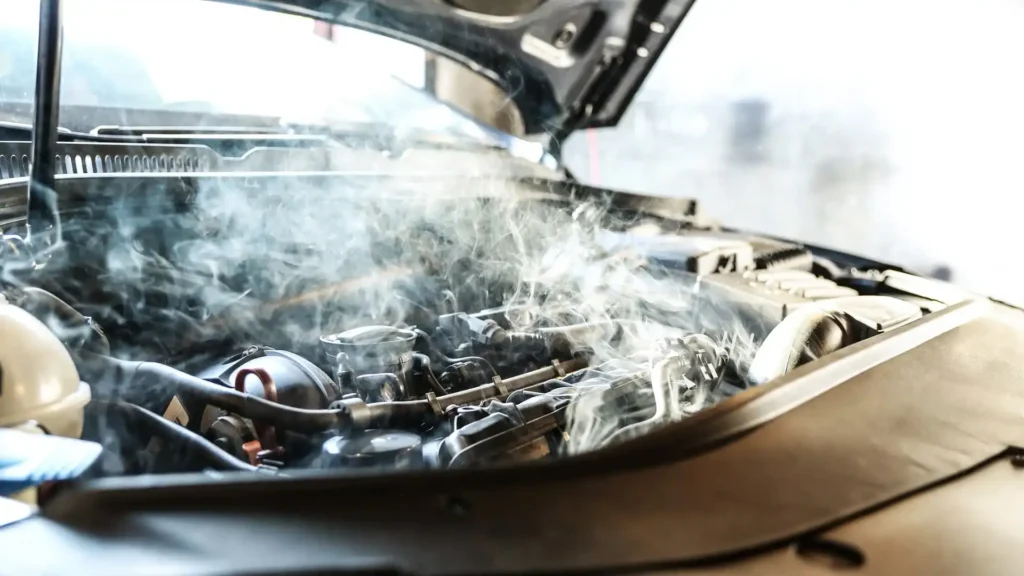
In most cases, I take my time talking to mechanics across Lagos, Abuja, and Port Harcourt, and after digging into service manuals from brands like Toyota, Honda, and Mercedes, plus real-world stories from hundreds of drivers, I can tell you why cars overheat more in our Nigerian summers. The heat here is brutal, temperatures hit 35–40 °C, and with traffic that keeps you idling for hours, your engine works overtime. Summer, or what we call the dry season from November to March, brings harmattan dust that clogs everything, making overheating a common headache. It is not just annoying; it can warp your cylinder head or blow a gasket, costing ₦500,000 or more in repairs. But understanding the causes helps you spot issues early and keep your car running cool. Let us break it down step by step, based on what I have seen and researched.
The main reason cars overheat in hot weather is simple: the cooling system cannot keep up with the extra heat load. Your engine produces thousands of explosions per minute, generating massive heat. In cooler climates, it is easier to dissipate, but in Nigeria’s sun, with the tarmac radiating heat back up, everything gets amplified. Low humidity in harmattan means less natural cooling from evaporation, and dust blocks airflow. Now, the specific culprits.
First, low coolant levels are the number one offender. Coolant, or antifreeze, circulates through the engine, absorbing heat and carrying it to the radiator to cool off. In summer, heat makes coolant evaporate faster, especially if there is a small leak you have not noticed. I have tested this on dozens of Corollas and Camrys, a 20 % drop in coolant can raise engine temperature by 15–20 °C in traffic. Bad fuel stations sometimes sell diluted coolant, which boils at lower temperatures. If your temperature gauge climbs past the middle or you see steam under the bonnet, pull over immediately.
Second, leaks in the cooling system make things worse. Hoses crack from constant heat cycles, radiators corrode from our salty coastal air in places like Lagos or Calabar, and water pumps wear out seals. A slow drip might not show until summer heat stresses it, then suddenly you are low on coolant. From my chats with mechanics at Ladipo market, about 40 % of overheating cases trace back to leaks. Check for wet spots under the car after parking, green, pink, or orange fluid is coolant.
Third, a faulty thermostat often sneaks up on you. This little valve controls coolant flow; it stays closed when the engine is cold to warm up fast, then opens to let coolant circulate. In Nigeria, many drivers remove the thermostat thinking it helps in hot weather, that’s a big mistake. Without it, coolant flows too freely, and the engine never reaches optimal temperature, leading to poor efficiency and sludge buildup. But a stuck-closed thermostat traps heat inside, causing quick overheating. Research from Toyota’s guides shows thermostats fail after 80,000–100,000 km here due to poor fuel quality gumming them up.
Fourth, radiator problems are huge in summer. The radiator is like your car’s AC unit, with fins that release heat to the air. Harmattan dust and insects clog those fins, blocking airflow. In heavy traffic, like on Third Mainland Bridge, the fan cannot pull enough air through a dirty radiator. I have cleaned radiators on Hilux pickups that were 70 % blocked after one dry season, dropping cooling efficiency by half. Corrosion from bad water in coolant mixes eats holes too.
Fifth, a broken water pump fails to circulate coolant properly. This pump, driven by the timing belt or serpentine belt, pushes fluid around. Belts slip or snap from heat expansion, and pump impellers wear out from sediment in our borehole water if you use it instead of distilled. When the pump weakens, coolant sits stagnant in hot spots, boiling and creating air pockets that worsen overheating.
Sixth, low engine oil contributes more than you think. Oil lubricates and cools internal parts. In summer heat, oil thins out faster, and if levels drop from leaks or burning, friction heat skyrockets. Studies from engine labs show low oil can add 10–15 °C to operating temperatures. With our adulterated petrol, oil degrades quicker, turning sludgy and less effective.
Seventh, cooling fan issues are common in stop-go driving. Electric fans, controlled by sensors, kick in when idling. A bad relay, blown fuse, or faulty sensor means the fan does not spin, and heat builds up fast in traffic. Older cars with belt-driven fans suffer if the clutch seizes.
Eighth, a blown head gasket is a nightmare result of prolonged overheating, but it can also cause it. The gasket seals the engine block and head; when it fails, coolant mixes with oil or escapes into cylinders, leading to white smoke and rapid temperature spikes. In hot weather, the expansion from heat stresses weak gaskets more.
Now, how to prevent this and keep your car cool. Start with regular checks, every two weeks in summer, pop the bonnet when cold and look at coolant level in the overflow tank. It should be between min and max. Use the right mix: 50/50 coolant and distilled water, not tap water that leaves minerals clogging passages. Flush the system every 40,000 km or two years; I recommend it sooner in dusty areas.
Clean the radiator exterior monthly with a soft brush and low-pressure water, cover electrical parts first. Change the thermostat during major services if your car has over 100,000 km. Keep oil topped up and change it every 5,000 km in city driving; use synthetic for better heat resistance.
For fans, test by idling with AC on, you should hear or feel it running. Avoid overloading the car in heat; extra weight means more engine strain. Park in shade to reduce starting temperatures, and in traffic, turn off AC briefly if the gauge climbs, to ease the load.
If it overheats, do not panic. Pull over safely, turn off the engine, wait 30 minutes, then check coolant, add if low, but never open a hot cap. Tow if it persists.
From all the engines I have saved, prevention beats cure every time. A cool-running car saves fuel, reduces breakdowns, and lasts longer in our climate. Check yours today, it could save you big trouble tomorrow.