
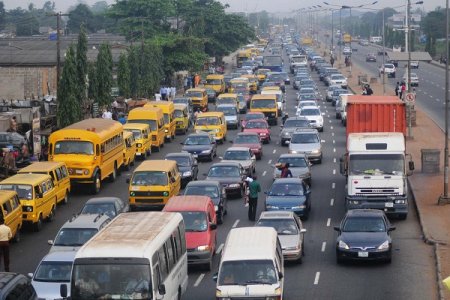
Breakdowns on Nigerian highways like Lagos-Ibadan, Abuja-Kaduna, or Enugu-Port Harcourt can feel dangerous and stressful. Traffic is fast, shoulders are narrow or nonexistent, and help can take hours to arrive. The difference between a minor inconvenience and a serious situation often comes down to preparation and calm decision-making. Here is a straightforward guide based on what works for drivers who regularly face these roads.
The moment the car starts acting up—overheating, strange noises, loss of power, or warning lights—do not panic. Your first priority is to get out of the live lane safely. Signal early, reduce speed gradually, and move as far right as possible. If the highway has a shoulder, use it. If not, aim for the edge of the road or any clear patch of verge. Never stop in the middle of a lane unless the car dies completely. Once stopped, turn on your hazard lights immediately. They are your most important signal to approaching drivers.
Get everyone out of the car on the right side (passenger side) and move at least 5–10 meters away from the road. Stay behind the guardrail if there is one, or behind the car if there is no barrier. Do not stand on the road side of the vehicle. Children and passengers should stay together in a safe spot. Many accidents happen when people walk around the car or cross the road to seek help.
Place warning devices as soon as it is safe. The FRSC recommends three reflective triangles: one about 10 meters behind the car, one 50–100 meters back, and one 10 meters in front if possible. If you do not have triangles, use a bright cloth, spare tire, or anything visible. At night or in low visibility, a flashlight or phone torch pointed backward helps a lot. The farther back the warning starts, the more time oncoming drivers have to slow down or change lanes.
Assess the problem quickly but safely. Open the hood only if the engine is not smoking or overheating severely, let it cool for 20–30 minutes first. Check obvious things: coolant level (when cold), oil, flat tire, or loose battery terminals. If it is a tire, change it following the standard procedure. If the engine is hot and steam is coming out, do not open the radiator cap, wait until it cools completely. For electrical issues like no crank but lights working, check battery connections first.
Call for help right away. Have these numbers saved: FRSC (122 or 08077690361), your insurance emergency line, and a trusted mechanic or tow service. Many insurance policies include roadside assistance, use it. Apps like Patho or Bolt sometimes offer towing in major cities. If you are on a remote stretch, ask passing drivers politely for help, but never leave your car unattended with valuables inside.
Stay visible and calm. Wear a high-visibility vest if you have one (they cost little and make a big difference). Stand away from the road, keep passengers together, and avoid walking into traffic. Do not accept rides from strangers unless you are in immediate danger and have no other option, safety first. If someone stops to help, let them assist with the car but do not leave your group.
After the immediate danger passes, prevent future breakdowns. Carry a basic emergency kit: spare tire (inflated), jack, lug wrench, jumper cables, tow rope, warning triangles, flashlight, first-aid kit, water, and a charged power bank. Check tire pressure monthly, coolant levels, and battery condition before long trips. Regular maintenance catches problems early. Drive slower on unfamiliar highways, avoid overloading, and never ignore warning lights.
Breakdowns are part of driving in Nigeria, but preparation turns them from emergencies into manageable pauses. Stay calm, get out safely, signal clearly, and get help quickly. Most situations resolve without major drama when handled this way.