
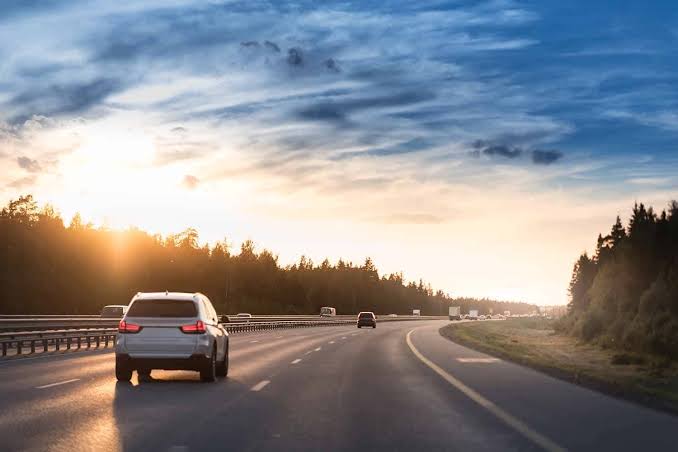
Long road trips in Nigeria, whether from Lagos to Abuja, Port Harcourt to Enugu, or any cross-state journey, can be rewarding if you plan properly, but they can turn stressful or dangerous without preparation. Our highways have improved in places, but potholes, sudden traffic, heavy trucks, and unpredictable weather still demand respect. The difference between a smooth trip and a nightmare often comes down to what you do before you leave. Here is a clear, practical checklist that covers everything you need to arrive safely and comfortably.
Start with the vehicle itself. A full service is non-negotiable before any trip over 300 kilometers. Check engine oil, coolant, brake fluid, and transmission fluid levels. Replace air and cabin filters if they are dirty—dusty roads clog them fast. Inspect tires for even tread, no cracks, and correct pressure (check when cold). Carry a good spare tire, jack, lug wrench, and wheel spanner. Test the spare’s pressure and make sure it is not older than six years. Also check wipers, headlights (including high beams), brake lights, and indicators. A dead bulb or weak wiper can become a big problem at night or in rain.
Pack an emergency kit and keep it accessible. Include a first-aid box with bandages, painkillers, antiseptic, and any personal medication. Carry jumper cables, tow rope, warning triangles (three are ideal), a flashlight with extra batteries, and a charged power bank. Add bottled water, snacks, and a blanket for unexpected waits. In Nigeria, fuel stations can be far apart on some routes, so fill up whenever you see a reliable one and carry an extra 10–20 liters in approved jerry cans if the journey is very long. Keep cash and a working phone with airtime, network coverage drops in rural areas.
Plan the route and timing. Use Google Maps or Waze for real-time traffic, but also know the major stops: fuel stations, eateries, and police checkpoints. Avoid starting very early or late at night, dawn or early afternoon is safest on most highways. Check weather forecasts, especially during rainy season when flooding happens fast on low-lying roads. Leave early enough to reach your destination before dark. If you must drive at night, stick to major highways with better lighting and traffic.
Prepare for the people in the car. Comfort matters on long drives. Pack pillows, neck rests, and light blankets for naps. Have enough drinking water and snacks to avoid hunger-related crankiness. Plan bathroom stops, children and adults alike need them. If traveling with kids, bring entertainment like tablets, books, or games to reduce restlessness. Discuss safety rules beforehand: everyone wears seatbelts, no leaning out windows, and stay seated when the car is moving.
Handle money and documents smartly. Carry enough cash for tolls, fuel, and small expenses, card networks can fail in some areas. Keep vehicle documents (license, insurance, customs papers if applicable) in a waterproof folder. Have FRSC emergency numbers (122 or 08077690361) and your insurance roadside assistance saved. Inform a trusted person about your route, departure time, and expected arrival.
Drive defensively once on the road. Keep a safe following distance, four seconds in good conditions, more when visibility is poor. Avoid overtaking on blind corners or hills. Watch for trucks and buses, they often swing wide or stop suddenly. If you feel tired, pull over at a safe spot and rest. Never drive after drinking alcohol or when drowsy. Use headlights at dusk and dawn, and dip them when meeting oncoming traffic.
These steps, drawn from advice by experienced drivers and FRSC safety campaigns, make long trips far safer and more enjoyable. Preparation is not about paranoia, it is about giving yourself every advantage on roads that demand respect. Check your car, pack smart, plan the route, and drive attentively. You will arrive relaxed instead of relieved.