
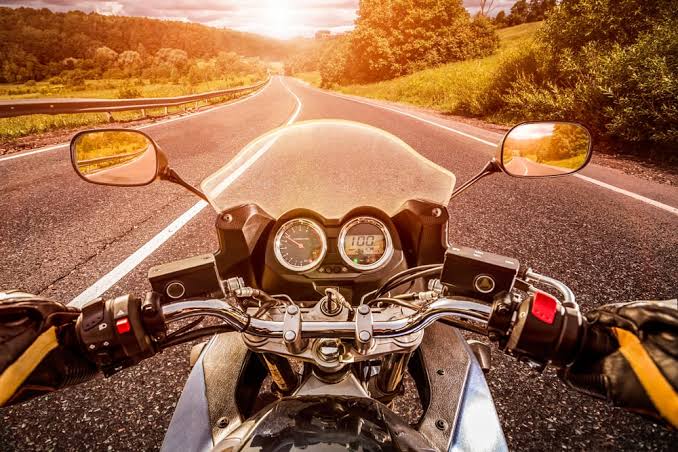
Riding a motorcycle in Nigeria is a practical way to beat traffic and get around quickly, but it comes with real risks. Okada riders and private bikers face everything from potholes and reckless drivers to sudden rain and poor lighting. The Federal Road Safety Corps (FRSC) reports that motorcycles are involved in a large share of road crashes, often because of simple mistakes that could be avoided. Staying safe is about being prepared, aware, and smart on the road. Here are straightforward tips that can make a big difference, drawn from what works for riders who navigate these roads every day.
Wear the Right Gear Every Time
Your body is exposed on a bike, so protective gear is your first line of defense. A helmet is non-negotiable—choose one that fits snugly and meets standards like those approved by the FRSC. It protects your head in a fall, which is where most fatal injuries happen. Go for full-face helmets to shield your face from dust, insects, and debris. Gloves, long pants, jackets with padding, and sturdy boots add layers against scrapes and impacts. Bright or reflective clothing makes you visible, especially at night or in harmattan fog. Riders who skip gear often regret it in minor spills that turn serious. Gear does not have to be expensive, local markets have affordable options but check for quality to ensure it holds up.
Check Your Bike Before Every Ride
A quick inspection can prevent breakdowns that lead to accidents. Start with tires: check pressure (usually 28–32 PSI for front, 32–36 for rear) and look for cuts or bald spots. Worn tires slip easily on wet roads or gravel. Test brakes, front and rear should grab firmly without squealing or pulling to one side. Lights and indicators must work; many night crashes happen because other drivers do not see the bike. Check oil level, chain tension (if applicable), and fuel. Loose mirrors or faulty horns mean you miss warnings. This routine takes two minutes but spots issues early, like a loose bolt that could cause a fall.
Ride Defensively and Predictably
Assume no one sees you. Cars and trucks often change lanes without looking for bikes. Keep a safe distance, two seconds behind the vehicle ahead in good conditions, more in rain. Scan the road 10–12 seconds ahead for potholes, oil slicks, or animals. Use your horn liberally but not aggressively to alert others. Signal every turn or lane change early and make eye contact at junctions. Avoid weaving through traffic like some Okada riders do, it surprises drivers and leads to sideswipes. Stick to your lane and ride at a speed that matches flow but stays under limits. Defensive riding means planning an escape route always, like space to swerve if a car pulls out.
Handle Weather and Road Conditions Smartly
Rain turns roads slippery, especially with oil residue. Slow down, avoid sudden brakes, and lean gently in turns. In harmattan dust, visibility drops, use low beams and ride slower. Potholes are everywhere; spot them early and swerve smoothly if safe. At night, unlit roads hide dangers, reduce speed and use high beams when no oncoming traffic. Flooded areas are deceptive; never ride through standing water deeper than your foot pegs, as it can hide deep holes or cause hydroplaning.
Stay Sober and Focused
Alcohol and drugs impair judgment and reaction time, leading to poor decisions like speeding or ignoring signs. Even fatigue acts like impairment, long rides without breaks cause drowsy riding. Eat light, stay hydrated, and rest every two hours. Phones are a distraction; pull over if you must use one. Focused riding means no passengers if you are tired or new to the bike.
These tips are not complicated; they are what experienced riders do to stay alive. The FRSC emphasizes helmets and speed control, but awareness and preparation cover the rest. Practice them, and the roads become less intimidating. Ride safe, arrive alive.