
First aid training for drivers is a vital but often underappreciated part of learning to drive safely in Nigeria. With high road accident rates, long emergency response times in some areas, and the daily reality of crashes involving multiple vehicles, knowing how to respond quickly at an accident scene can save lives. Many people wonder whether first aid is actually included in driving school programs or treated as an optional extra.
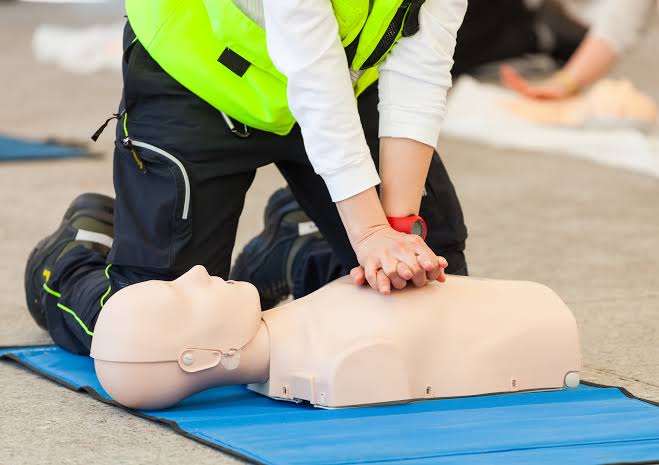
In FRSC-approved schools across the country, first aid is a required core module within the standardised national curriculum, and it receives dedicated time and attention for good reason.FRSC-approved driving schools follow a uniform training syllabus designed to produce responsible drivers who are not only skilled behind the wheel but also prepared to handle emergencies. First aid is integrated into the theoretical component of the course, usually delivered through classroom sessions, demonstrations, and practical exercises. The module is compulsory because FRSC recognises that drivers are often the first people to arrive at crash scenes, especially on highways and in rural areas where ambulance response can take time. The training equips learners with basic but life-saving skills they can use until professional help arrives.The content covered in first aid classes is practical and focused on common road accident scenarios. Learners are taught how to assess an accident scene safely, how to check for breathing and circulation, and how to perform basic CPR on adults and children.
They learn how to control bleeding using direct pressure, how to immobilise suspected fractures, and how to treat burns caused by hot engines or spilled fuel. Instructors also cover the importance of keeping accident victims calm, avoiding unnecessary movement that could worsen spinal injuries, and using everyday items like clothing or seatbelts as improvised bandages or splints. Special emphasis is placed on managing shock, recognising head injuries, and knowing when to leave a casualty in place until trained paramedics arrive.The training also addresses scene safety and legal considerations. Students learn not to rush into dangerous situations such as leaking fuel or oncoming traffic without first securing the area with warning triangles or flares. They are taught how to call emergency services correctly using the FRSC emergency number 122 and what information to provide. The module highlights that providing first aid at an accident scene is a civic duty and that good Samaritan actions are protected under Nigerian law when done in good faith
.FRSC-approved schools use a combination of theory and hands-on practice to make the training effective. Instructors demonstrate techniques using mannequins or volunteers, then give students the chance to practise under supervision. Many schools also incorporate role-playing exercises that simulate real crash scenarios, helping learners stay calm and make quick decisions under pressure. This practical approach ensures the knowledge is retained and can be applied confidently if needed.The inclusion of first aid training reflects FRSC’s broader goal of reducing road fatalities and injuries. Nigeria records a high number of road deaths each year, many of which could be prevented with prompt and correct first aid at the scene. By making first aid a standard part of driver education, approved schools help create a network of drivers who can act as first responders, bridging the gap until professional medical help arrives.When choosing a driving school, it is wise to ask specifically about their first aid module.
A reputable FRSC-approved school will be able to describe the content, duration, and practical components clearly. Schools that treat first aid as a brief afterthought or skip it entirely are not meeting FRSC standards and should be avoided. Proper training in this area adds real value to your driving education and can make you a more capable and responsible road user.First aid training in FRSC-approved schools is not just another checkbox on the syllabus. It is a practical skill set that prepares you to protect yourself, your passengers, and other road users when accidents occur.
By including this module, approved schools go beyond teaching you how to drive and help you become someone who can save lives on Nigeria’s roads. When you enrol in a driving course, make sure first aid is given proper attention. The knowledge you gain could one day make the difference between a minor incident and a tragedy.