
FRSC-approved driving schools in Nigeria are designed with one clear goal: to produce safe, competent, and responsible drivers who can pass the official FRSC driving test and handle real Nigerian roads confidently. Unlike unapproved operators that may focus only on quick results, approved schools follow a standardised national curriculum set by the Federal Road Safety Corps. This structured approach ensures every learner receives proper theoretical knowledge and sufficient practical experience before facing the test.The preparation process usually begins with classroom theory sessions. In these classes, instructors cover the Highway Code in detail, including the meaning of all road signs, traffic signals, road markings, and the correct way to share the road with other users.
Students learn defensive driving principles, the importance of seatbelts and child restraints, the dangers of speeding, phone use while driving, and basic first aid. These lessons are not just for passing the written test; they build the foundation for making safe decisions in real traffic. Instructors use real-life examples from Nigerian roads to make the content practical and memorable.After the theory foundation is laid, the focus shifts to practical training. Approved schools use dual-control vehicles, allowing the instructor to take over instantly if a student makes a mistake.
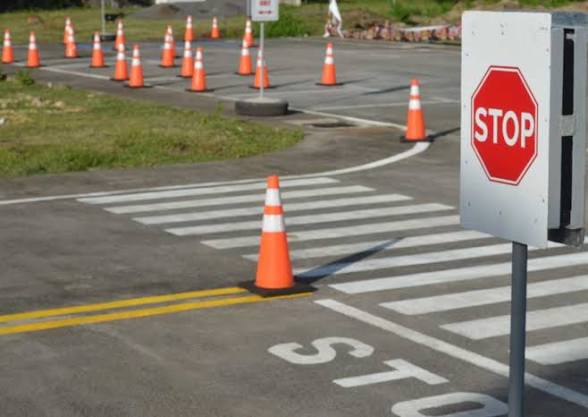
Training starts in a controlled environment, often on the school’s training ground, where learners master basic skills such as starting the engine, changing gears smoothly, steering, braking, and simple manoeuvres like reversing and three-point turns. Once these basics are solid, students move to real road practice under close supervision.
The practical training follows a clear progression. Learners first drive on quiet residential streets to build confidence. As skills improve, they are gradually introduced to busier roads, junctions, roundabouts, and highway conditions. Instructors emphasise defensive driving techniques that are especially relevant in Nigeria, such as maintaining safe following distances, anticipating the unpredictable actions of motorcycles and danfo buses, managing blind spots, and responding safely at pedestrian crossings. Night driving sessions, where available, teach the proper use of headlights, adjusting to low visibility, and staying alert during fatigue-prone hours.
FRSC-approved schools also prepare students specifically for the two parts of the official driving test: the written (theory) test and the practical road test. For the written test, schools conduct regular mock examinations using past questions and FRSC-style multiple-choice formats. This helps students become familiar with the question style and improves their chances of passing on the first attempt. For the practical test, instructors simulate the actual test route and conditions. They teach the exact manoeuvres that are usually examined, such as parallel parking, reversing into a bay, and controlled emergency stops. Students are taught how to perform these manoeuvres safely and confidently while demonstrating proper observation, signalling, and control.
Another important aspect of preparation is building the right attitude. Approved schools stress patience, courtesy, emotional control, and respect for other road users. Instructors correct bad habits early and encourage responsible decision-making. This mindset training is crucial because many road crashes in Nigeria result from impatience, overconfidence, or aggression rather than lack of technical skill.The duration of training varies, but most approved schools require a minimum number of practical hours to ensure students are truly ready. Quality schools do not rush learners through the course simply to collect fees. Instead, they assess each student’s progress individually and provide extra practice sessions if needed.
When you complete training at an FRSC-approved school, your records are uploaded into the FRSC system. This makes the licensing process smoother because your training is already verified. You will still need to pass the official FRSC written and practical tests, but the thorough preparation you received significantly increases your chances of success.Choosing an FRSC-approved school that takes both theory and practical training seriously gives you far more than just a licence. It equips you with the knowledge, skills, and responsible attitude needed to drive safely on Nigerian roads for years to come.
When searching for a school, ask specifically about their training structure, the balance between classroom and road practice, and how they prepare students for the FRSC test. The extra effort you put into selecting the right school pays off every time you get behind the wheel.A well-prepared driver is a safer driver. FRSC-approved schools exist to make sure every new driver meets that standard.