
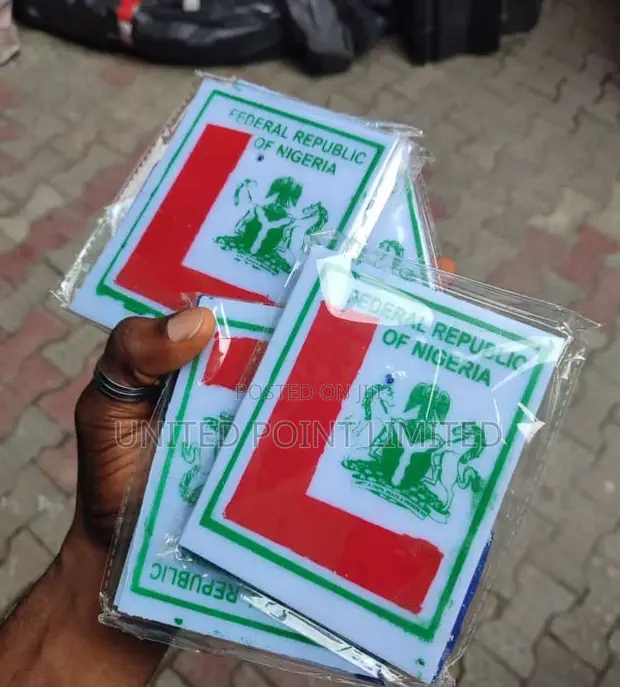
Learning to drive in Nigeria marks an exciting milestone, but it requires following structured rules set by the Federal Road Safety Corps (FRSC) and state licensing authorities. A learner’s permit serves as the official starting point for beginners, granting supervised practice on public roads while you build skills before attempting a full driver’s licence. This document bridges the gap between classroom theory and real-world driving, ensuring new drivers develop safe habits under guidance.8ecbf6The permit targets individuals who have never held a driver’s licence. You must be at least 18 years old, though some driving schools set their own minimums slightly higher for maturity reasons. The process begins with enrolling in an FRSC-accredited driving school. These institutions provide mandatory training that covers road signs, traffic laws, vehicle controls, and defensive driving techniques. Completion of this training often ties directly into obtaining or validating your learner status.f06c81Steps to Secure Your Learner’s PermitFirst, obtain the relevant application form, historically known as MVA 15 in some state systems, and pay the prescribed fee at an approved centre or through designated banks. Many modern applicants start by visiting a driving school, which guides them through paperwork and sometimes assists with initial permit issuance. The school assesses your basic knowledge and practical readiness before issuing a certificate or endorsement.59ab24Once you have the learner’s permit, it typically remains valid for three months and can be renewed or reissued as needed. During this period, you must display prominent red “L” plates on both the front and rear of the practice vehicle. This alerts other road users to exercise extra caution around you. Crucially, you cannot drive alone—a qualified, licensed instructor or experienced driver with a valid licence must sit beside you at all times. This supervision requirement forms the core safety feature of the permit system.61fc75Practice sessions should total at least three months of consistent driving under guidance. This hands-on time helps you master manoeuvres, navigate different road conditions, and understand real-time decision-making. Many learners log hours in controlled environments first before progressing to busier streets. Driving schools often provide dual-control vehicles equipped with an extra brake pedal for the instructor, adding an extra safety layer.Transitioning from Learner to Full LicenceAfter sufficient supervised practice and passing internal school assessments, the driving school presents you to the Vehicle Inspection Officer (VIO) for a formal driving test. This practical examination evaluates your ability to handle the vehicle safely, obey traffic rules, and demonstrate awareness. Success earns a certificate of proficiency, a key document for your full licence application.
With the proficiency certificate in hand, you proceed to the official online portal at nigeriadriverslicence.org. There, you complete the new driver’s licence application, upload required details including your driving school certificate number, and make payments for the licence fee. Next comes biometric data capture at an FRSC Drivers Licence Centre (DLC), where your photo, fingerprints, and other identifiers enter the national system. You receive a temporary slip while the physical card processes.
Throughout this journey, maintain valid identification such as your NIN, passport, or voter’s card, plus proof of address. Medical fitness certificates, including eye tests, may also be required depending on your state or school. The entire pathway emphasises preparation over shortcuts FRSC has tightened rules to reduce unqualified drivers on the roads.
Key Rules and Responsibilities While on a Learner’s Permit
Never drive unaccompanied or without “L” plates displayed.Stick to permissible roads and avoid high-speed highways until confident.Respect all traffic laws the permit does not excuse violations, and offences can delay your full licence.Practice consistently but safely; rushing increases accident risk.Keep the permit document accessible during practice drives for inspection.These regulations protect both the learner and other road users. Statistics show that supervised practice significantly lowers crash rates among new drivers. Many states integrate theory tests covering the Nigeria Highway Code, so study road signs, right-of-way rules, speed limits, and emergency procedures thoroughly.
Common Challenges and How to Overcome Them
Some learners face delays due to busy testing schedules at VIO offices or high demand at popular driving schools. Choose accredited schools with good reputations and modern facilities to streamline training. Budget for school fees, permit costs, test charges, and medicals total first-time expenses often range from ₦30,000 upward depending on location and vehicle type.Avoid unofficial agents promising fast-tracked permits, as they may issue invalid documents leading to bigger problems later. Stick to FRSC-approved channels and official portals. In cities like Lagos or Abuja, multiple centres offer flexibility, while smaller states may have fewer options but shorter wait times.
Why the Learner’s Permit System Matters
This structured approach builds competent, law-abiding drivers rather than rushing people onto roads. It aligns with global best practices where gradual licensing reduces fatalities, especially among young motorists. Once you hold a full licence, you gain independence, but the habits formed during your learner phase often stay with you for life.
For the most current requirements, visit the FRSC website or nigeriadriverslicence.org, or contact an accredited driving school in your area. They provide tailored guidance based on your state’s specific procedures. Starting on the right foot with proper training and a valid learner’s permit sets you up for success and safer journeys ahead. Whether you aim to drive for personal mobility or professional purposes, patience and thorough preparation pay off on Nigeria’s diverse roads.