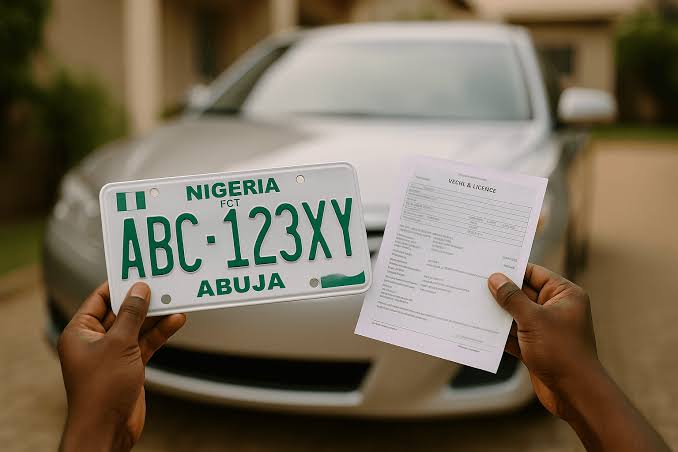
Vehicle registration and licensing form essential steps for every car, truck, bus, or motorcycle owner in Nigeria. The process involves the Federal Road Safety Corps (FRSC) working alongside state Motor Licensing Authorities (MLA), Vehicle Inspection Offices (VIO), and Boards of Internal Revenue (BIR). These approved centres handle new registrations, renewals, number plate issuance, and related services under the National Vehicle Identification System. Knowing the right offices prevents delays, extra costs from middlemen, and issues with fake documents.
The system operates largely at the state level, with designated centres in each of the 36 states and the Federal Capital Territory (FCT). Most states maintain a primary office, often at the BIR or VIO headquarters, while busier states like Lagos operate multiple zonal locations for convenience. Always verify current details on official portals such as nvis.frsc.gov.ng before visiting, as offices can occasionally relocate or expand services.
In Abia State, the main centre sits at the BIR Zonal Office on 5 Bende Road in Umuahia. Residents in Aba and surrounding areas often use this hub for efficient processing. Adamawa directs applicants to the BIR Office in Yola North, serving the state capital and nearby LGAs. Akwa Ibom funnels services through the BIR Office at the State Secretariat in Uyo, a central point praised for organised workflows.
Anambra uses the Motor Licensing Office in Npaje, Awka, as its key facility. Many drivers from Onitsha and other commercial hubs travel here for registration. Bauchi operates from the BIR Office along Jos Road in Bauchi town, covering the northern region effectively. Bayelsa, with its riverine terrain, maintains several MLA points, including Yenagoa at Obele Street in Ovom, Kpansia at INEC Junction, Brass at the BIR Secretariat, plus outlets in Ogbia and Sagbama.
Benue centres activities at the BIR Office on G.R.A. Kashim Ibrahim Road in Makurdi. Borno relies on the BIR Office opposite Ramat Polytechnic in Maiduguri. In the FCT Abuja, the prominent VIO Office in Mabushi serves as the go-to centre, handling high volumes from the capital and satellite towns. Additional FCT options exist in areas like Kuje and Bwari for residents farther out.
River processes through the BIR Office in Calabar, while Delta offers multiple points, including Asaba and Warri zones. Ebonyi directs people to the BIR Office in Abakaliki. Edo features centres in Benin City and other key locations, reflecting its dense population. Ekiti operates from the BIR Office in Ado-Ekiti.
Enugu uses the BIR Office on Okpara Avenue, a busy spot opposite the old PHCN office. Gombe funnels services via its BIR Office in Gombe town. Imo residents head to the BIR Office on Okigwe Road in Owerri. Jigawa maintains operations in Dutse, and Kaduna uses its VIO or BIR facilities in the capital. Kano, a major commercial hub, has well-equipped centres to manage heavy demand.
Kebbi processes in Birnin Kebbi, Kogi in Lokoja, and Kwara in Ilorin. Lagos, Nigeria’s most populous state, stands out with dozens of licensing stations and zonal offices spread across areas like Ikeja, Apapa, Badagry, Agege, and Epe. The Lagos Motor Vehicle Administration Agency (MVAA) and Vehicle Inspection Service (VIS) manage these, offering renewals at over 100 points plus designated banks for added ease.
Nasarawa uses facilities in Lafia, Niger the VIO Office along Paiko Road in Minna, and Ogun the IRS Office at Oke-Mosan opposite the Federal High Court in Abeokuta. Ondo operates in Akure, Osun in Osogbo, Oyo in Ibadan with additional Ibadan and Oyo town centres, Plateau in Jos, Rivers in Port Harcourt, Sokoto in Sokoto, Taraba in Jalingo, Yobe in Damaturu, and Zamfara in Gusau.
What to Expect at These OfficesThe typical process starts online via FRSC or state portals for application forms and payments. You then visit the approved centre for vehicle inspection, document verification, biometric capture where needed, and plate collection. Requirements usually include proof of ownership, customs papers for imported vehicles, valid insurance, and means of identification. First-time registrations and renewals differ slightly, so prepare all documents to avoid multiple trips.
Lagos and Abuja often experience higher traffic, so early morning visits or checking for appointment systems help. Smaller states may offer faster service but fewer specialised options. Commercial vehicles sometimes require additional clearances from FRSC or state transport agencies.
Why Using Approved Centres MattersRegistered vehicles at these offices receive authentic number plates linked to the national database, making verification straightforward during FRSC checks. Fake plates or unregistered vehicles lead to impoundment, heavy fines, and legal troubles. These centres also support roadworthiness tests, ensuring only safe vehicles ply Nigerian roads.
For the latest addresses or changes, cross-check the FRSC National Vehicle Identification System portal or your state’s revenue service website. Some states have introduced digital enhancements for tracking applications and renewals. Local VIO or MLA offices can provide guidance on nearby satellite points.
Proper vehicle licensing protects your investment, ensures compliance, and contributes to safer roads nationwide. Whether you drive a private car in Lagos or a commercial truck up north, heading to the correct approved office streamlines the entire experience and gives you peace of mind every time you hit the road. Plan your visit, gather your papers, and handle this essential task the right way.