
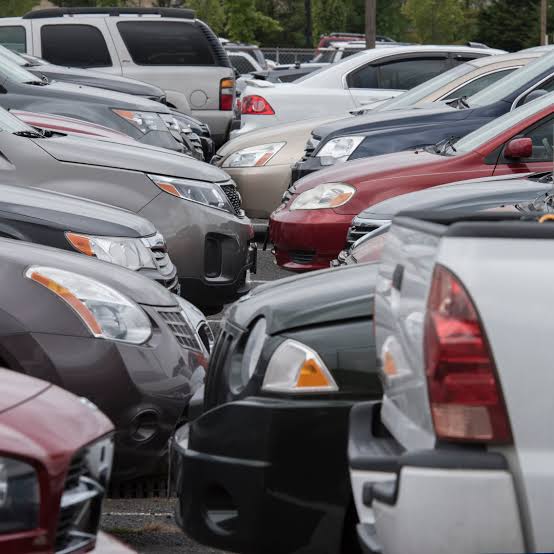
Buying a salvage title car in Nigeria often looks like a smart financial decision on the surface. These vehicles, which have been declared a total loss by insurance companies due to accidents, flooding, fire, or major damage, usually sell for 40% to 70% less than clean-title equivalents. In a country where car prices are high and many families are budget-conscious, the temptation is real. However, after examining real experiences from Nigerian buyers, current regulations, and long-term ownership realities, the risks often outweigh the rewards for most people.A salvage title means the vehicle was once written off as uneconomical to repair. In the US, UK, or Canada where many tokunbo cars come from, such cars receive a branded title. Some are rebuilt and exported to Nigeria. While a well-repaired salvage car can sometimes look and drive normally, the hidden problems frequently surface months or years later.The biggest reward is the price. You can buy a salvage Toyota Camry or Honda Accord that would normally cost ₦15-25 million for as low as ₦8-12 million. This saving allows buyers to afford a higher-spec model or save money for other needs. Some mechanically inclined owners successfully repair these cars and enjoy years of service if the damage was minor and repairs were done properly with quality parts.However, the risks are substantial. Safety is the primary concern. Many salvage cars have compromised structural integrity, especially if the frame or chassis was affected. Even after repairs, the car may not handle the same way during emergencies or on rough Nigerian roads with potholes. Airbags may not deploy correctly, and electrical systems can develop mysterious faults. Flood-damaged salvage cars are particularly dangerous because hidden corrosion continues even after cleaning.Insurance is another major headache. Most insurance companies in Nigeria are reluctant to provide comprehensive cover for salvage vehicles. You may only get third-party insurance, leaving you financially exposed in case of an accident. FRSC registration and vehicle licensing can also be complicated. Some states scrutinize salvage titles more closely, and the car may fail roadworthiness tests more easily.Resale value drops dramatically. When you eventually want to sell the car, buyers will offer much less once they discover the salvage history. Many people who bought salvage cars end up regretting it when they try to trade or sell years later.Current Nigerian regulations have become stricter. As of 2026, the government and Nigeria Customs Service have tightened rules on importing heavily damaged or salvage vehicles. Many salvage cars are now classified as “biohazard” or accidented imports, facing higher scrutiny, possible rejection at ports, or additional levies. Importing a true salvage title car has become riskier and sometimes impossible without proper documentation and repairs done to international standards.Maintenance costs are usually higher. Parts that were damaged in the original incident may fail again. Finding a mechanic who understands the repair history is difficult, and diagnostic issues can become expensive puzzles.That said, there are rare situations where buying a salvage car makes sense. If the damage was purely cosmetic, you have a trusted mechanic who inspected it thoroughly, and you plan to keep the car long-term without worrying about resale, it could work. Always insist on a proper pre-purchase inspection, preferably by an independent expert, and request full repair documentation and photos from the previous owner.For most average Nigerian families, the safer choice remains clean-title tokunbo or Nigerian-used vehicles from reputable sources. The slightly higher upfront cost often translates to lower long-term expenses, better safety, easier insurance, and stronger resale value.Before considering any salvage title car, do thorough research. Check the vehicle history report carefully, budget for potential repairs, and speak with people who own similar cars. The initial savings can quickly disappear if major problems emerge six months down the line.Ultimately, buying a salvage title car in Nigeria is a high-risk, high-reward gamble. While some people have succeeded, many others have faced safety issues, registration problems, and financial losses. Weigh your mechanical knowledge, budget for surprises, and risk tolerance carefully before making a decision. For peace of mind and family safety, a clean-title vehicle remains the wiser choice for most buyers in Nigeria.