
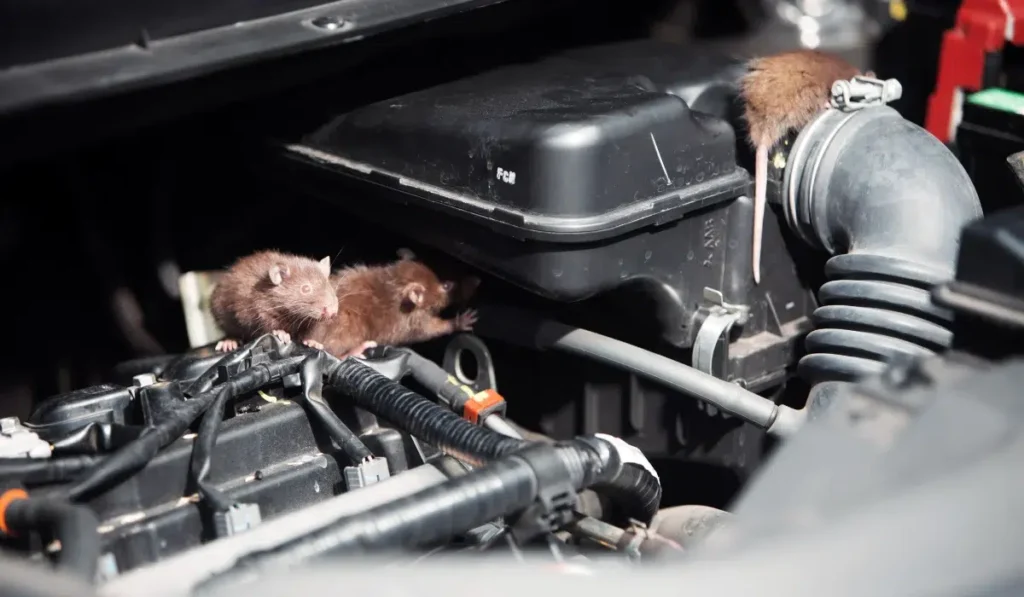
Rats and lizards frequently find their way into car engine bays across Nigeria, especially during the rainy season and harmattan periods. Warm engines, exposed wires, and dark spaces make the engine compartment very attractive to these pests. Once inside, rats chew on wires, hoses, and insulation, while lizards leave droppings that can cause electrical faults. Many car owners only discover the problem after noticing strange smells, warning lights, or sudden breakdowns.
Fortunately, several effective and affordable local solutions can help keep these unwanted visitors away.Rats are drawn to engine bays because the residual heat after driving provides comfort, and the insulation on wires tastes appealing to them. Lizards, on the other hand, seek dark crevices to hide and hunt for insects. In places like Lagos, Abuja, Port Harcourt, and Ibadan, this problem is very common, especially when cars are parked for long hours near bushes, markets, or residential areas with poor waste management.One of the most effective and widely used local methods is camphor (naphthalene balls). Many mechanics and experienced drivers place several camphor balls in the engine bay, particularly around the battery area, air filter housing, and near wiring harnesses.
The strong smell repels both rats and lizards effectively. Replace the camphor every two to three weeks or after heavy rain, as moisture reduces its potency. This simple solution costs very little and has worked for many car owners over the years.Another reliable local approach is using hot pepper or cayenne powder. Mix ground dry pepper with a small amount of used engine oil to create a paste, then apply it on hoses, wires, and metal surfaces in the engine bay. Rats dislike the spicy irritation, and lizards tend to avoid the area.
This method is completely natural and safe for your car’s components. Reapply every three to four weeks or after washing the engine.Neem leaves and oil also work well in the Nigerian environment. Fresh neem leaves have a bitter scent that repels rodents and reptiles. Place bunches of neem leaves in strategic corners of the engine bay and replace them weekly. You can also mix neem oil with a little water and spray it around the engine compartment. This solution is particularly popular in rural areas and among drivers who prefer natural repellents.Used engine oil trick is another practical method. Apply a very thin layer of old engine oil on the ground around your tyres and under the car. Rats dislike the smell and are less likely to approach the vehicle. Some drivers also soak old rags in used engine oil mixed with camphor and place them near the wheels. This creates a barrier that discourages pests from climbing into the engine bay.Parking habits matter greatly.
Avoid parking under trees, near rubbish dumps, or close to long grass where rats thrive. If possible, park in well-lit, open spaces or in a garage. Elevating your car slightly using ramps or blocks can also reduce easy access for lizards and smaller rodents. During the rainy season, try to park on higher ground to avoid floodwaters that drive pests upward into vehicles.Regular engine bay cleaning is essential for prevention. Remove leaves, food crumbs, and any nesting materials promptly. A clean engine bay is far less attractive to pests. Consider installing simple wire mesh or rodent guards around vulnerable openings if you frequently face this issue.
For those who want a more modern solution, ultrasonic pest repellers powered by the car battery are available in some auto shops. These devices emit high-frequency sounds that are unpleasant to rats and lizards but inaudible to humans. While more expensive, they provide continuous protection and work well when combined with the natural methods mentioned earlier.Always check your engine bay regularly, especially early in the morning before driving. Look for droppings, chewed wires, or unusual smells. Early detection prevents small problems from becoming expensive electrical failures.
Protecting your engine bay from rats and lizards requires consistency rather than one-time action. By combining strong-smelling repellents like camphor and pepper with good parking habits and regular cleaning, you can effectively keep these pests away. Many Nigerian drivers have successfully used these local solutions for years with good results.
Taking these preventive steps will save you from sudden breakdowns, costly wiring repairs, and the frustration of dealing with chewed components. A few minutes of weekly attention can keep your car pest-free and running smoothly regardless of the season.