
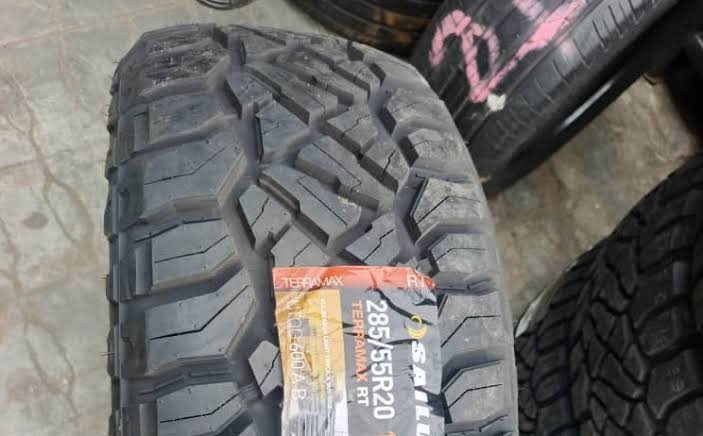
Nigerian roads are among the toughest in the world for tyres. Deep potholes, sharp road edges, flooded streets during the rainy season, and rough untarred roads in many areas constantly punish tyres and put drivers at risk. Choosing the right tyre is not just about comfort it is about safety, fuel efficiency, and avoiding frequent replacements that drain your pocket. Understanding ply ratings and knowing which brands perform best in local conditions can make a huge difference in how long your tyres last.
Ply rating refers to the strength and thickness of the tyre’s internal construction. It indicates how many layers of cord material are used to reinforce the tyre. A higher ply rating generally means better resistance to impacts, punctures, and heavy loads. For Nigerian roads, tyres with 4-ply or 6-ply ratings are usually too light and get damaged quickly. Most experienced drivers prefer 8-ply or 10-ply tyres for SUVs, crossovers, and cars that frequently travel on bad roads. These stronger tyres absorb shocks from potholes better and are less likely to suffer sidewall blowouts or sudden punctures.
For most family cars and sedans in Nigeria, a good balance is found in tyres with at least 8-ply construction. These offer enough strength to handle potholes without being too stiff for daily comfort. For SUVs, pickups, and commercial vehicles that carry loads or travel often on rough roads, 10-ply or higher is recommended. Higher ply tyres also run cooler on long journeys, reducing the risk of heat-related failures during dry season driving.
Best Tyre Brands for Nigerian Conditions
Several brands have proven themselves reliable on our challenging roads. Michelin remains a top choice for many drivers who want premium performance. Their tyres, particularly the Michelin Latitude and Primacy series, offer excellent sidewall strength and good puncture resistance. They perform well in both wet and dry conditions and tend to last longer even on bad roads.Bridgestone is another strong performer, especially the Dueler and Turanza lines. These tyres are known for durability and good grip on wet roads during the rainy season. Many mechanics in Lagos and Abuja recommend Bridgestone for drivers who cover long distances on expressways that have deteriorated over time.
Goodyear tyres, particularly the Assurance and Wrangler models, are popular for their toughness and value. They handle pothole impacts well and offer decent mileage. For budget-conscious buyers, brands like Hankook, GT Radial, and Triangle provide good performance at more affordable prices. Hankook tyres have improved significantly in recent years and now offer strong sidewall construction suitable for Nigerian roads.Avoid very cheap, unknown brands sold in some markets. While they may look similar, their construction is often weaker and they tend to fail quickly when hitting potholes or driving on sharp road edges.Key Features to Look For When buying tyres for bad roads, focus on these important features:
Strong sidewalls that can absorb impacts without cracking.
Deep tread patterns with wide grooves for better water evacuation during rain.
Good load index rating suitable for your vehicle’s weight.
Silica compounds that maintain flexibility in both hot and cooler harmattan weather.
Always buy tyres in sets of four whenever possible for balanced handling.
Mixing different brands or tread patterns can cause poor stability, especially during emergency braking or on wet roads.
Proper maintenance also extends tyre life significantly.
Check your tyre pressure at least twice a month because under-inflated tyres are more vulnerable to pothole damage. Rotate your tyres every 8,000 to 10,000 kilometres and ensure wheel alignment is done regularly. Bad alignment causes uneven wear and makes tyres more likely to get damaged by road hazards.For those who drive mostly in cities with terrible roads, consider slightly taller sidewall tyres (higher aspect ratio) as they offer better cushioning against potholes compared to low-profile tyres. While low-profile tyres look sporty, they transmit more shock to the suspension and get damaged easily.
Making the right tyre choice for Nigerian roads is about finding the best balance between strength, comfort, and cost. Investing in good quality tyres with proper ply ratings may cost more upfront, but it saves you money in the long run through fewer punctures, better fuel efficiency, and longer tyre life.Take time to research and buy from reputable dealers who can advise you based on your specific vehicle and typical routes. Your tyres are the only thing between your car and the road. Choosing wisely helps keep you and your family safe while navigating our challenging road conditions.