
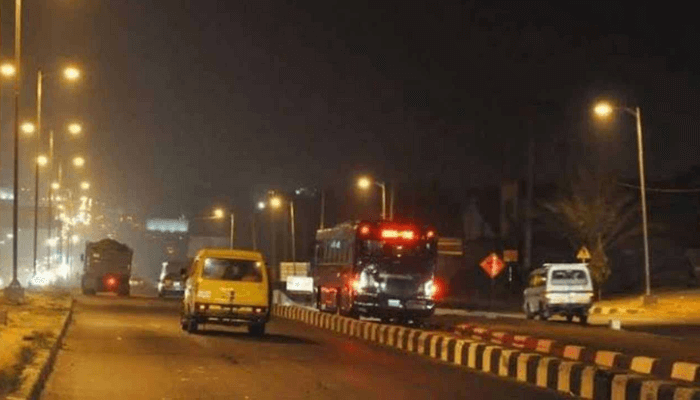
Night driving in Nigeria presents unique dangers that demand extra caution and preparation. Poor visibility, unlit roads, armed robbers, kidnappers, and reckless truck drivers make nighttime travel riskier than daytime journeys. Many serious accidents and security incidents occur between 7pm and 5am, particularly on major highways like the Lagos-Ibadan Expressway, Abuja-Kaduna Road, and Benin-Onitsha routes. With careful planning and smart habits, you can significantly reduce these risks.Start with thorough preparation before leaving. Ensure your vehicle is in excellent mechanical condition. Check your headlights, taillights, brake lights, and indicators. Replace weak or faulty bulbs immediately. Carry spare fuses, a good jack, wheel spanner, and a functional spare tyre. A well-maintained car reduces the chances of breakdown in isolated areas where help may not come quickly. Fill your fuel tank to at least three-quarters full so you do not have to stop at questionable fuel stations at night.Route planning is essential. Stick to major, well-patrolled highways whenever possible and avoid lonely secondary roads. Use navigation apps to check for current security reports and road conditions. Inform a trusted friend or family member about your travel plans, including your departure time, expected arrival time, and the route you intend to take. Share your live location if possible.To avoid kidnappers and armed robbers, never stop on the highway except in well-lit, busy areas with other vehicles present. If you notice suspicious vehicles following you or blocking the road, do not stop. Slow down gradually, look for escape routes, and drive past the obstruction if safe. Many incidents happen when drivers stop to help apparent accident victims or stranded motorists. Trust your instincts and keep moving. Driving in a convoy with other trusted vehicles provides better security on long journeys.Bad roads become even more treacherous at night. Potholes, fallen trees, and unmarked road works are harder to see. Reduce your speed significantly, especially on unfamiliar routes. Use high beams only when there is no oncoming traffic, and switch to low beams when you see other vehicles to avoid dazzling them. Maintain a safe following distance from the vehicle ahead so you have enough time to react to sudden hazards. Watch for animals, pedestrians, and broken-down vehicles that may appear without warning.
Heavy trucks and trailers pose one of the biggest nighttime dangers. Many truck drivers drive while fatigued or under the influence, and overloaded vehicles are common. Stay out of their blind spots, especially when overtaking. Give trucks plenty of space and avoid overtaking on hills or curves. If a truck is driving erratically or too slowly, do not tailgate. Look for opportunities to pass safely or pull over at a secure location until conditions improve.Keep your car doors locked and windows rolled up as much as possible. Use your side mirrors frequently and stay alert. Avoid using your phone while driving except with hands-free systems. If you feel tired, stop at a well-lit, secured filling station or rest area rather than pushing on. Fatigue is responsible for many single-vehicle accidents at night.
Equip your vehicle with essential safety items: a bright flashlight, warning triangle, reflective jacket, first aid kit, and a charged power bank. Some drivers also install additional fog lights or brighter headlights for better visibility. Consider fitting a vehicle tracker for peace of mind in case of theft or emergency.If you encounter a security situation, remain calm. Cooperate if confronted by armed individuals, as resistance often escalates danger. Many survivors recommend handing over valuables quickly while looking for an opportunity to escape. After any incident, report immediately to the nearest police station or FRSC office.
Night driving will always carry higher risks in Nigeria, but thousands of people travel safely every night by being proactive. Avoid unnecessary night trips when possible, especially long distances. When you must drive at night, preparation, alertness, and respect for the road’s realities will keep you much safer.
By following these practical steps, you reduce your chances of becoming another statistic. Drive defensively, stay informed about current security situations, and prioritize safety over speed. Your careful decisions can make the difference between reaching your destination safely and facing avoidable tragedy.