
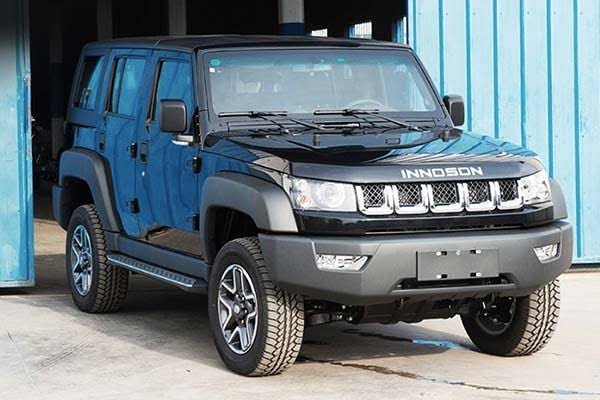
Many Nigerian car buyers face a tough decision between buying a brand-new Innoson vehicle made locally and going for a tokunbo (imported used) car. On the surface, tokunbo cars often appear cheaper and more familiar, but when you calculate the real cost of ownership over five years, the picture becomes more nuanced. Factors like initial price, maintenance, fuel consumption, spare parts availability, and resale value all play major roles in the long run.Innoson vehicles, particularly models like the Fox, G80, and some SUVs, have a significantly lower starting price compared to similar tokunbo options. A new Innoson can cost 30-50% less than a comparable three-to-five-year-old tokunbo Toyota or Honda. This price advantage is one of the strongest points for local manufacturing. You also avoid the heavy import duties and clearing costs associated with tokunbo vehicles, and you get a full manufacturer warranty, usually covering three to five years.
However, tokunbo cars generally come with better-perceived build quality and more refined features. Many buyers still trust the durability of Japanese brands like Toyota and Honda, believing they will last longer on Nigerian roads. This perception affects resale value. After five years, a well-maintained tokunbo Toyota Corolla or Camry often retains better value in the used market than an Innoson of similar age. Local cars can lose value faster due to limited brand recognition and fewer buyers in the secondary market.
Maintenance costs tell a different story. Innoson benefits from growing local production and assembly, which means some parts are becoming easier to find and cheaper over time. Official dealerships and service centres are expanding, and many mechanics are now trained to work on these vehicles. However, for certain specialized components, owners sometimes still face delays or higher costs compared to the widely available parts for popular tokunbo models. Toyota and Honda parts remain abundant in markets like Ladipo and Berger, keeping repair costs relatively predictable.
Fuel economy is another important consideration. Many Innoson models use modern engines that deliver competitive mileage, especially on highways. Some newer Innoson vehicles are designed with Nigerian fuel quality and road conditions in mind. Tokunbo cars, depending on age and maintenance history, can be less efficient, particularly if they have higher mileage or previous engine wear. Over five years, the difference in fuel costs can add up significantly, especially with fluctuating petrol prices.
Insurance and registration costs are generally similar, but some insurance companies offer slightly better rates for locally manufactured vehicles due to lower replacement values. Roadworthiness and licensing processes are the same for both, though Innoson owners sometimes benefit from manufacturer support during VIO inspections.
Real-world ownership experiences vary. Many Innoson owners report good reliability for daily commuting and light commercial use, with fewer major breakdowns when properly maintained. Tokunbo vehicles often provide a smoother, quieter ride and better long-term durability for those who cover very high mileage or travel rough roads frequently. However, hidden issues like previous accident damage or flood history in tokunbo cars can lead to unexpected repair bills in the second or third year of ownership.
After five years, the total cost of ownership for an Innoson is often lower for the average driver who does moderate mileage and maintains the vehicle well. The initial savings, combined with reasonable running costs and improving parts availability, make it attractive for many families and small business owners. Tokunbo cars tend to have higher overall costs due to the higher purchase price and occasional major repairs, although they may offer better comfort and status.
The decision ultimately depends on your priorities. If you want lower upfront cost, support for local industry, and simpler maintenance for city driving, an Innoson makes strong financial sense. If you prefer proven long-term reliability, smoother performance, and easier resale, a carefully chosen tokunbo from a reputable seller may still be worth the extra investment.
Whichever option you choose, regular servicing, genuine parts where possible, and careful driving habits remain the most important factors for keeping costs down over five years. Nigerian roads and fuel conditions test every vehicle, but informed buyers who understand the true cost of ownership are more likely to make choices they won’t regret