
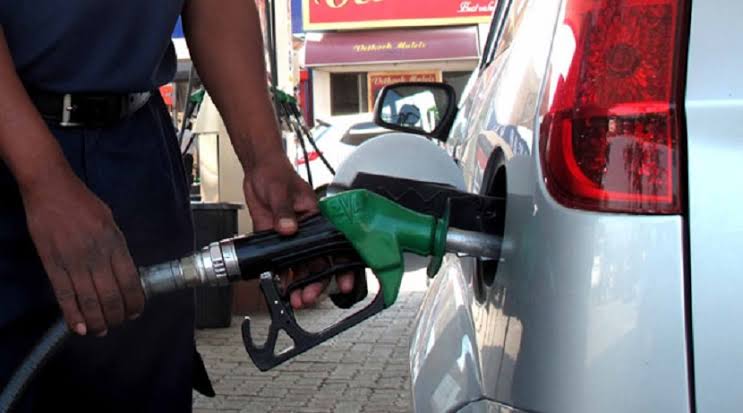
The removal of fuel subsidies in 2023 fundamentally reshaped how Nigerians buy and use cars. What was once a secondary consideration fuel efficiency suddenly became the most important factor for many buyers. In 2026, three years after the policy change, the effects are clearly visible in showrooms, online marketplaces, and on the roads. Buyers are making different choices, and the market has responded with new trends that continue to evolve.
Before subsidy removal, many Nigerians favoured larger engines and bigger vehicles without much worry about fuel costs. Petrol was relatively cheap, so a V6 engine or a thirsty SUV felt acceptable. After the sharp price increase, that mindset changed rapidly. Data from major car markets like Ladipo, Berger, and online platforms show a clear shift toward vehicles with smaller, more efficient engines. Four-cylinder engines, particularly 1.5L to 2.0L, have seen the strongest demand growth.
Toyota has benefited enormously from this shift. Models like the Corolla, Camry (especially hybrid variants), and Corolla Cross now dominate sales charts. Their reputation for reliability combined with relatively good fuel economy (often 12–18 km/l depending on the model and driving conditions) makes them the default choice for many middle-class families. Honda has also seen strong interest in the Civic and CR-V, while Hyundai and Kia are gaining ground with their more fuel-efficient offerings and longer warranties.
One of the most noticeable trends is the rising popularity of hybrid vehicles. Although still more expensive upfront, hybrids are increasingly viewed as smart long-term investments. The Toyota Camry Hybrid and RAV4 Hybrid are particularly sought after because they deliver significantly better mileage in the stop-and-go traffic common in Nigerian cities. Many buyers report cutting their monthly fuel expenses by 40–60% after switching to hybrids.
Another major development is the growing interest in CNG (Compressed Natural Gas) conversions. With petrol prices remaining high, many commercial drivers and private owners are converting their vehicles to run on cheaper CNG. This trend is especially strong among taxi and ride-hailing operators in Lagos, Abuja, and Port Harcourt. While the initial conversion cost is substantial, the payback period has shortened considerably due to the price difference between petrol and CNG.Smaller cars and crossovers have also gained significant market share. Many buyers who previously considered mid-size SUVs are now opting for compact crossovers or even sedans with higher ground clearance. The logic is simple: smaller, lighter vehicles consume less fuel and are easier to maintain. This shift has hurt sales of large, powerful SUVs unless they are hybrid or diesel models with proven efficiency.
Resale value has become another key consideration. Cars known for good fuel economy now hold their value better in the used market. A well-maintained fuel-efficient Toyota or Honda sells faster and at better prices than similar vehicles with higher consumption. This market feedback further encourages buyers to prioritize efficiency when making new purchases.
Regional differences are also visible. In the commercial hubs of Lagos and Port Harcourt, the focus is heavily on daily running costs. Buyers want cars that can handle heavy traffic without draining the tank too quickly. In the North, where longer distances are common, there is still some preference for diesel vehicles and cars with larger fuel tanks, though efficiency remains important. Across the country, buyers are doing more research before purchasing comparing fuel consumption figures, reading owner reviews, and calculating long-term costs.The used car market has been particularly affected. Tokunbo vehicles with proven low fuel consumption now command premium prices, while gas-guzzlers sit longer on the lot. This has encouraged importers to bring in more efficient models to meet current demand.
Looking ahead, experts expect this trend to continue as fuel prices remain volatile and awareness of running costs grows. Manufacturers are responding by bringing more hybrid and efficient models into the Nigerian market. Local assembly plants are also focusing on vehicles that match the new realities of Nigerian motoring.
For individual buyers, the lesson is clear: fuel economy should be one of the top three factors when choosing a car in today’s Nigeria. Calculate not just the purchase price, but the expected monthly fuel and maintenance costs over three to five years. This more realistic approach leads to better financial decisions and less stress at the filling station.
The removal of fuel subsidies forced a necessary change in mindset. Nigerians are now making more informed, cost-conscious decisions when buying cars. This shift toward efficiency is likely to remain a defining feature of the Nigerian auto market for years to come