
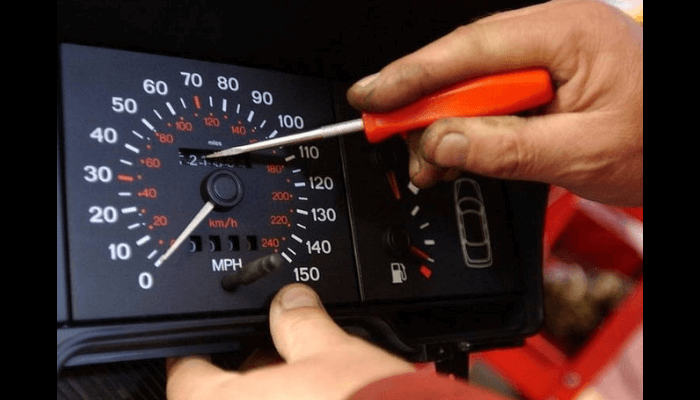
Odometer fraud has become one of the most common and costly tricks in the Nigerian used car market. Sellers often roll back the mileage on tokunbo vehicles to make them appear newer and more valuable, leading many buyers to pay premium prices for cars that have actually covered far more distance than advertised. This practice is so widespread that it affects thousands of transactions every month, especially in major markets like Ladipo, Berger, and online platforms.
Understanding why it happens and how to protect yourself is essential before buying any used car.The main reason odometer fraud thrives in Nigeria is the strong buyer preference for low-mileage vehicles. Most people believe a car with lower mileage on the dashboard is more reliable and will last longer. This creates huge financial incentives for sellers and importers to manipulate the reading. Rolling back an odometer by 50,000 to 100,000 kilometres can easily add ₦500,000 to ₦1.5 million to the selling price. In a market where many buyers focus heavily on the mileage figure, the temptation is simply too high for some dealers.
Weak regulation and enforcement also make the problem worse. Unlike countries with strict vehicle history systems and mandatory mileage checks during registration, Nigeria lacks a centralized, reliable database for tracking true mileage. Many tokunbo cars arrive without complete service history, making it easier to alter the odometer before sale. The process itself is technically simple basic tools or software can reset or wind back most older odometers in minutes. Even on newer cars with digital odometers, skilled technicians can manipulate the data.
Another contributing factor is the high volume of imported used cars. With hundreds of containers arriving weekly, not every vehicle receives thorough scrutiny. Some importers and dealers take advantage of this to present high-mileage fleet cars or ex-taxi vehicles as low-mileage private cars. The pressure to sell quickly and make profit in a competitive market further encourages these practices.
How to Check True Mileage
The most reliable way to verify mileage is through a comprehensive vehicle history check. Ask the seller for complete service records, previous registration documents, and any available import papers. Genuine low-mileage cars usually have consistent records showing regular servicing at logical intervals. Gaps in service history or sudden drops in recorded mileage are major warning signs.
During a physical inspection, look for wear patterns that do not match the claimed mileage. Check the brake pedals, accelerator pedal, and steering wheel for excessive wear. On a car claiming 60,000 kilometres, these components should not look heavily used. Examine the driver’s seat, floor mats, and boot area for signs of long-term use. The engine bay and undercarriage can also tell stories heavy corrosion or replaced parts may suggest higher actual mileage.
A professional pre-purchase inspection by a trusted mechanic is very important. Good mechanics can often spot inconsistencies by checking the ECU (Engine Control Unit) data on modern cars. Many vehicles store mileage information in multiple modules, making complete rollback difficult. Diagnostic tools can reveal discrepancies between the dashboard reading and stored data.
For popular models like Toyota Corolla, Camry, and Honda Accord, experienced mechanics have developed reliable ways to estimate true mileage based on common wear points. They examine timing belt condition, suspension components, and interior materials that degrade predictably over distance.Online vehicle history services and VIN checks can also provide useful clues, although their accuracy varies depending on the car’s origin country. Cross-reference the VIN with any available import documents and service stamps.If you are still unsure, walk away from the deal. The small discount on a suspicious car is rarely worth the risk of buying a high-mileage vehicle disguised as low-mileage. Reputable sellers are usually transparent and willing to provide proof of mileage.
Protecting yourself from odometer fraud requires patience and thoroughness. Never rush into a purchase based solely on an attractive mileage figure. Combine multiple verification methods visual inspection, service records, professional diagnosis, and your own instincts. The extra effort during the buying process saves far more money and stress later.
As awareness grows, more buyers are demanding proper documentation and independent inspections. This gradual change is slowly reducing the success rate of odometer fraud, but it remains a significant issue that every used car buyer must actively guard against. By staying informed and vigilant, you can avoid becoming another victim and make better-informed decisions in the Nigerian car market.