
Battery drain is one of the most frustrating problems Nigerian drivers face, especially during the rainy season or after the car has been parked for a few days. You turn the key and nothing happens or the starter clicks weakly. While a faulty battery or alternator is often blamed, many cases stem from hidden electrical drains that slowly kill the battery over time. The good news is you can track down most of these faults using simple tools and basic logic, without needing an expensive diagnostic scanner.
A healthy car battery should hold its charge for weeks when the vehicle is not in use. If it goes flat within 24–48 hours, something is drawing power even when the engine is off. This “parasitic draw” is usually caused by a component that stays awake longer than it should or a short circuit somewhere in the wiring.Start your diagnosis with the easiest checks.
First, make sure the battery itself is in good condition. Clean the terminals thoroughly corrosion is very common in our humid climate and can cause poor contact that mimics a drain. Test the battery voltage with a cheap multimeter. A fully charged battery should read around 12.6 volts or higher when the engine is off. If it is below 12.4 volts, charge it fully and retest after 24 hours.
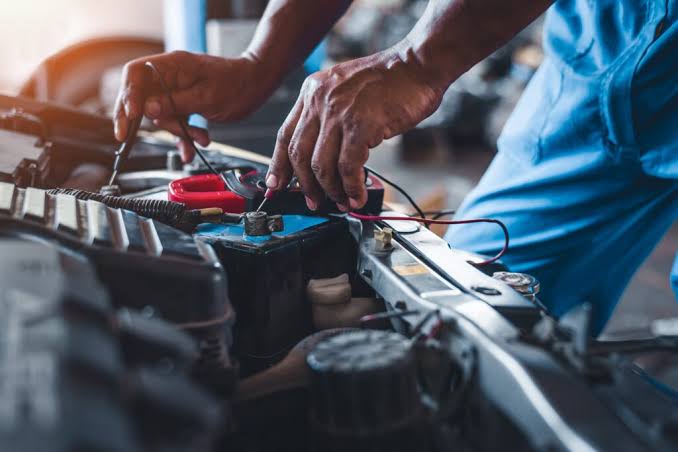
To find the actual drain, use the multimeter in current (amps) mode. Disconnect the negative battery terminal and connect the multimeter between the negative post and the cable. A normal parasitic draw should be under 50 milliamps (0.05A). Anything consistently above 100 milliamps usually indicates a problem. This test is safe and straightforward once you know how to set the meter correctly.
If you detect a high draw, begin isolating circuits by pulling fuses one by one while watching the meter. When the reading drops significantly after removing a particular fuse, you have found the circuit responsible. Common culprits include the radio/clock memory, interior lights, alarm system, or aftermarket accessories like phone chargers and trackers that were poorly wired.In Nigeria, several issues appear repeatedly. Faulty door switches that keep interior lights on, sticky relays in the fuse box, and degraded wiring insulation due to heat and oil contamination are frequent problems.
Aftermarket sound systems, alarm installations, and dash cams are also common sources of drain if installed incorrectly. Many drivers in Lagos and Abuja report mysterious drains caused by faulty alternator diodes that allow current to flow backward even when the engine is off.
Once you identify the offending circuit, inspect the wiring and components carefully. Look for melted insulation, rodent damage, or corroded connectors. In many cases, the fix is as simple as replacing a stuck relay or cleaning a dirty switch. For more complex issues like a failing body control module, professional help may be needed, but basic drains can often be resolved at home.
Prevention is much easier than repeated troubleshooting. Disconnect aftermarket gadgets when the car will be parked for long periods. Ensure all doors, bonnet, and boot switches work properly so lights turn off completely. Have your alternator and charging system tested regularly, especially during the harmattan when dust affects electrical connections. Using a trickle charger or battery maintainer during long periods of inactivity (such as when travelling) prevents deep discharges that damage batteries.
Modern cars with many electronic modules are naturally more prone to small drains, but even older vehicles suffer when wiring deteriorates in our harsh environment. Regular maintenance, careful installation of accessories, and prompt attention to warning signs like dimming lights or slow cranking can prevent most battery drain issues.
Learning to diagnose battery drain without a scan tool empowers you to solve many electrical problems yourself or at least explain them clearly to your mechanic. This knowledge saves time and money while giving you confidence when dealing with one of the most common complaints in Nigerian motoring.By staying proactive with basic electrical checks and understanding how our climate and driving conditions affect the battery, you can keep your car starting reliably even during the longest trips or after several days of parking. A healthy electrical system is the foundation of a dependable vehicle on our demanding roads.