
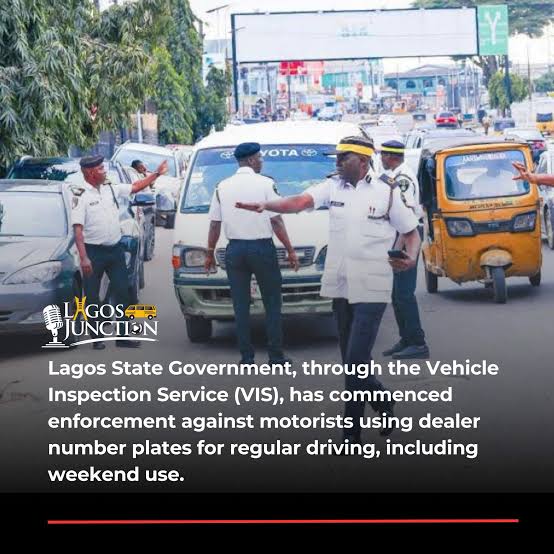
Lagos State has tightened the link between physical vehicle inspection and the issuance of roadworthiness certificates. The core rule is straightforward: no successful inspection, no certificate. This change affects how drivers renew vehicle particulars and stay compliant on the state’s roads.Under the current approach, a roadworthiness certificate is no longer issued first with an expectation that the owner will present the vehicle later. The vehicle must pass inspection at a designated Computerized Vehicle Inspection Service centre before the certificate is released. The policy aims to ensure that only vehicles meeting minimum safety standards receive official clearance. Drivers who previously obtained papers without presenting the car for testing now find that route closed.Inspection takes place at official centres equipped for computerized checks. These facilities are spread across the state, with locations that include areas such as Ojodu, Gbagada, Ajah, Oshodi, Yaba, Alausa and several others. Additional centres have been planned to improve coverage.
Drivers should confirm the nearest operational centre and any appointment or queuing arrangements before arriving, as demand can create delays.Vehicles that fail the minimum safety standard test are not automatically barred. Owners typically receive a referral or grace period, often around thirty days, to repair identified faults and return for a retest. In many cases the retest for the same faults does not attract an extra charge if completed within the allowed window. This gives drivers a practical opportunity to fix issues such as faulty lights, brakes, tyres or other safety-critical items without immediate loss of the certificate process.An important exemption exists for newer vehicles. Cars that are not more than five years old from the date of manufacture can obtain an exemption certificate from the routine computerized inspection. The exemption is provided for under the state’s transport law. Owners of such vehicles still need to complete the necessary documentation with the Vehicle Inspection Service to secure the exemption certificate. This arrangement reduces congestion at inspection centres while recognising that newer vehicles are generally less likely to have developed serious mechanical faults.
Roadworthiness is closely tied to the renewal of vehicle particulars. When papers are due, the inspection (or valid exemption) forms part of the overall process. Drivers should treat the inspection as a required step rather than an optional extra. Attempting to drive with expired or improperly obtained certificates exposes the vehicle to enforcement action by state officers and can lead to delays or penalties.Additional services have been introduced to support motorists. An online option for roadworthiness recertification has been mentioned for existing vehicle owners in some updates, reducing the need for repeated physical visits in certain cases. The Vehicle Inspection Service has also offered an auto-verification service that provides history information useful to people buying used cars. These tools aim to improve transparency and convenience, though drivers should still verify current procedures on official channels because operational details can evolve.
Practical preparation helps. Before attending an inspection centre, check basic items that commonly cause failure: working headlights, brake lights and indicators; adequate tyre tread and pressure; functional wipers and horn; and no obvious fluid leaks or structural damage. Having the vehicle’s documents ready speeds up the process. If the vehicle is under five years old, confirm the steps required for the exemption certificate instead of joining the full inspection queue.Enforcement of roadworthiness requirements continues alongside other traffic measures in Lagos. Drivers who keep certificates current and vehicles in reasonable condition reduce the risk of being stopped or delayed. The inspection system is presented by the state as a safety measure rather than a pure revenue exercise, although the cost of compliance forms part of the overall expense of keeping a vehicle legal.
Staying informed remains the best approach. Centre locations, exact fees, online options and any temporary changes are best confirmed through official Vehicle Inspection Service channels or the state Ministry of Transportation. For most private and commercial drivers in Lagos, the key updates are clear: inspection precedes the certificate, newer vehicles can seek exemption, failed tests usually allow a repair window, and roadworthiness is an integral part of keeping vehicle papers valid. Observing these requirements keeps both the vehicle and the driver on the right side of state regulations.