
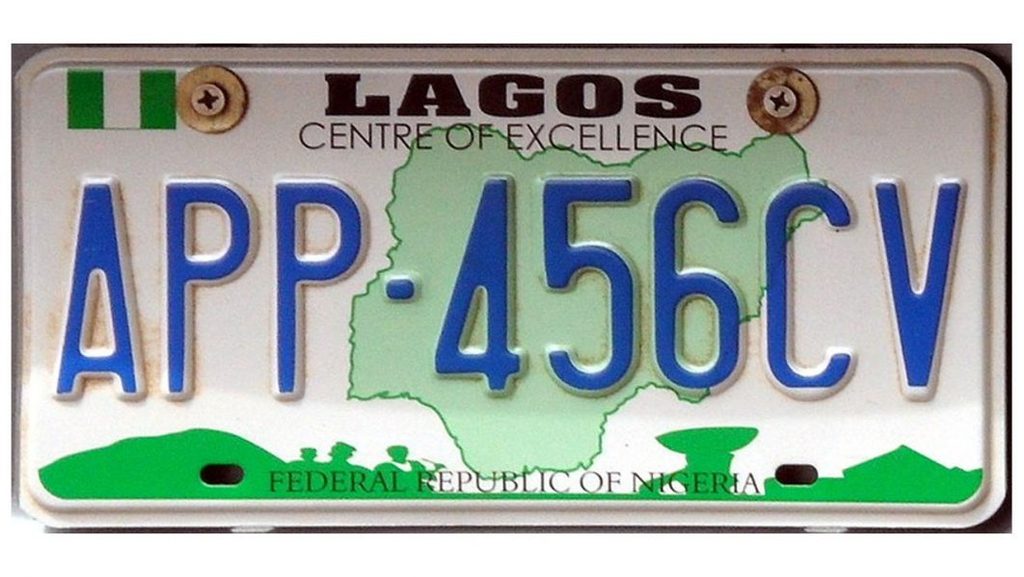
Nigeria’s vehicle number plate system sits at the intersection of federal standards and state administration. The Federal Road Safety Corps is responsible for the design, technical specifications and overall regulatory framework for number plates. State Motor Vehicle Administration Agencies handle the actual issuance and collection of fees from vehicle owners. In principle the arrangement divides labour clearly. In practice it produces recurring friction that affects motorists, state revenues and enforcement.
One persistent problem is scarcity and delay. In many states applicants pay for number plates and then wait weeks or months before the physical plates arrive. Production and distribution bottlenecks, slow remittance of funds from states to the federal production system, and logistical gaps all contribute. Lagos is frequently cited as an exception because it maintains greater control over its own plate production and generally delivers faster. As a result, some vehicle owners from other states seek Lagos plates, which speeds up their process but diverts revenue that should have remained in their home states.Price differences add another layer of confusion. Federal guidelines set baseline rates for standard private and commercial plates, fancy plates, motorcycle plates and other categories. Individual states often add their own charges or apply different totals. Motorists encounter varying figures depending on where they register, and the lack of a single, easily verified national price list fuels disputes and opportunities for unofficial mark-ups.
Fraud and misuse remain serious concerns. Fake plates that do not exist in the national database, swapped plates that do not match the vehicle’s chassis number, cloned plates, and hand-painted or defaced plates all appear on the roads. Official and diplomatic plates are sometimes retained or used improperly after the authorised period ends. These practices undermine security, complicate traffic enforcement and expose buyers of used vehicles to legal risk. Verification against the national database can catch many of these problems, yet not every motorist or officer performs the check consistently.Jurisdictional tension occasionally surfaces. Questions arise over which authority has the final say on design changes, replacement rules, enforcement of reflective standards, and the handling of official plates. Court decisions have affirmed the FRSC’s role in regulating number plates under national traffic regulations, yet day-to-day administration still depends on state cooperation. When communication or remittance between the two levels is weak, ordinary vehicle owners feel the consequences in the form of delays and uncertainty.Practical solutions exist and some are already partially in use. Improving the production-to-distribution chain is fundamental. Transparent tracking of payments from states, clear remittance timelines, and visible inventory levels would reduce artificial scarcity. Where states have the capacity to produce plates to federal specifications under proper oversight, controlled local production can shorten waiting times without sacrificing national standards. Lagos’s relative speed illustrates the benefit of tighter operational control, provided quality and database integration remain intact.
A reliable, easily accessible verification system is equally important. When any officer or buyer can quickly confirm that a plate number matches the chassis, make, model and registered owner in the national record, fake and swapped plates become harder to use. Expanding and publicising simple verification channels reduces both fraud and the fear of buying a compromised vehicle.Clearer rules on official and diplomatic plates, including mandatory return at the end of tenure and active recovery of unreturned plates, would close another gap. Public education on the difference between standard, fancy and official plates, together with consistent enforcement against hand-painting and defacement, would further protect the integrity of the system.
Finally, better coordination between the FRSC and state MVAAs on pricing communication, replacement procedures and data sharing would reduce the everyday friction motorists experience. A dual system does not have to be a dysfunctional one. When production is reliable, verification is simple, fees are transparent and enforcement is consistent, federal standards and state administration can operate as complementary parts of a single vehicle identification framework rather than sources of repeated complaint. Addressing the current bottlenecks would give drivers faster service, states more predictable revenue, and the roads a more trustworthy identification system.