
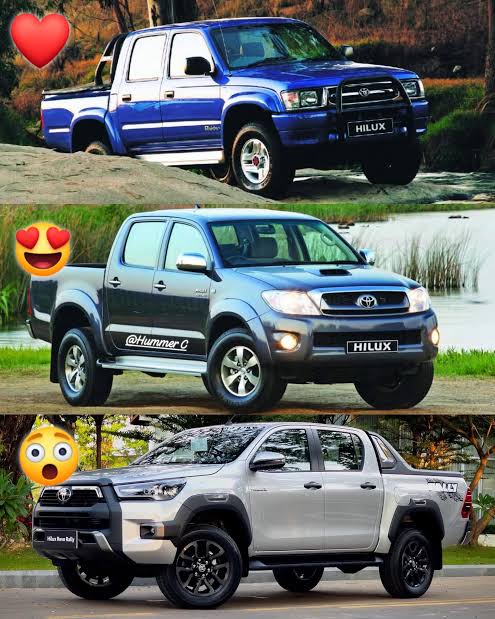
A decade can transform what counts as standard safety equipment in a family car. Vehicles from around 2010 and those from 2020 often look similar from the outside, yet the systems that protect occupants and help avoid collisions differ in meaningful ways. Comparing the two eras shows how quickly certain technologies moved from rare options to expected features, and why a newer Tokunbo example can offer a clear step up in everyday protection.
In 2010 the foundation of safety for most mainstream cars rested on seatbelts, a basic set of airbags and anti-lock brakes. Dual front airbags were widespread, and many models added side airbags or curtain airbags, though coverage was not universal across all trims. Electronic stability control existed but was still spreading; some markets and lower-specification cars continued without it. Traction control was common on higher trims. These systems reduced the risk of skidding and helped the driver maintain control under hard braking or on slippery surfaces, yet they remained reactive rather than predictive.By 2020 the baseline had risen noticeably. Electronic stability control had become standard on virtually every new passenger car sold in major markets.
Curtain airbags that protect the heads of front and rear occupants were far more common, and many vehicles carried six or more airbags as standard. Knee airbags for the driver appeared more frequently. The structural design of cabins also improved, with greater use of high-strength steel in critical areas to manage crash energy more effectively. These passive improvements mean that when a collision does occur, the chances of serious injury are lower than they were in equivalent cars from a decade earlier.The biggest change, however, came in active safety systems that work to prevent or mitigate collisions before they happen. Autonomous emergency braking, often paired with forward-collision warning, moved from a premium novelty to a feature available on many mid-range models by 2020. Cameras or radar scan the road ahead; if the system detects a vehicle or, on later versions, a pedestrian, and the driver does not react, it can apply the brakes automatically. Lane-departure warning became widespread, alerting the driver when the car drifts from its lane without the indicator being used. Some systems added gentle steering assistance to help keep the vehicle centred. Blind-spot monitoring, using sensors to detect vehicles in adjacent lanes, appeared on a growing number of models and proved especially useful on multi-lane roads.
Adaptive cruise control also matured during this period. Early versions mainly maintained a set speed and distance on open highways. By 2020 many systems could operate effectively in stop-and-go traffic, bringing the car to a halt and resuming again when the vehicle in front moved. This reduced fatigue on long dual-carriageway runs and in congested conditions. Rear cross-traffic alert and better reversing cameras further lowered the risk of low-speed incidents in parking areas and busy compounds.The difference in real-world terms is significant. A typical 2010 mid-size saloon or SUV relied heavily on the driver’s attention and on systems that reacted once grip was already being lost. A comparable 2020 model still requires an attentive driver, yet it carries multiple layers of electronic assistance that can warn of danger and, in some cases, intervene. The older car may have ABS, a couple of airbags and perhaps stability control. The newer one is more likely to add automatic emergency braking, lane-keeping support, blind-spot warnings and a more comprehensive airbag set.
Availability in Nigeria follows the same timeline, filtered through the Tokunbo market. Many 2010–2015 vehicles on local roads offer solid basic protection if they are well maintained, with functioning airbags and stability control still providing valuable safeguards. Cars from the late 2010s and early 2020s, particularly higher trims of popular Japanese, Korean and some European models, more often include the newer active systems. Chinese brands that entered the market more recently frequently list autonomous emergency braking, lane-related alerts and 360-degree cameras as selling points, accelerating the spread of these features at accessible prices.
Several practical points remain important. Sensors and cameras must stay clean and properly aligned to function. On older vehicles the systems may lack the refinement of later versions and can generate false warnings or become unavailable if a sensor fails. Warning lights related to airbags, stability control or pre-collision systems should never be ignored; they usually mean part of the safety equipment is disabled. Body repairs after previous accidents need to restore the designed structural performance, otherwise the benefit of improved crash structures is reduced.The evolution from 2010 to 2020 did not make cars invincible. Driver behaviour, tyre condition, road surface and vehicle maintenance still determine most outcomes. What changed is the level of assistance available when attention momentarily lapses or conditions deteriorate suddenly. Automatic emergency braking can reduce the severity of a nose-to-tail collision in traffic. Blind-spot monitoring can prevent a side-swipe during a lane change. More comprehensive airbags and stronger body structures improve the chances of walking away from an impact that does occur.
When comparing a 2010 example with a 2020 model, the specification sheet tells only part of the story. Checking that the newer active systems are present and operational, confirming that airbag and stability-control warning lights behave correctly, and assessing the overall condition of the vehicle give a clearer picture of the safety package actually on offer. The decade between these model years raised the standard of protection available to ordinary drivers. Choosing a later vehicle that carries those advances, and keeping its systems in working order, remains one of the more effective ways to benefit from the progress that occurred.