
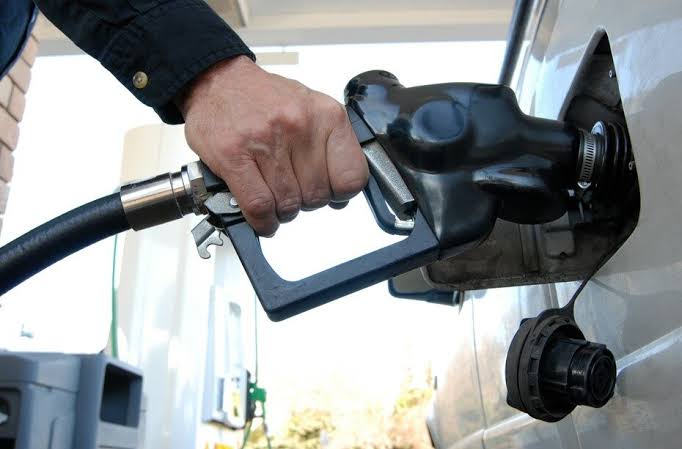
With gas prices always seeming to creep up, finding ways to stretch your fuel further can make a real difference in your wallet. If you’re like most drivers, you probably don’t think about fuel efficiency until you’re at the pump, but there are simple adjustments you can make today that boost your miles per gallon without needing a mechanic or fancy gadgets. I’ve looked into advice from reliable sources like the EPA and Consumer Reports, and boiled it down to five effective methods that work for most vehicles. These tips focus on quick changes to your habits and car setup, and they can add up to noticeable savings over time. Let’s dive in.
1. Inflate Your Tires to the Right Pressure
One of the easiest and fastest ways to improve gas mileage is to ensure your tires are properly inflated. Under-inflated tires create more rolling resistance, which forces your engine to work harder and burn more fuel. According to the Department of Energy, you can lose up to 0.6% in fuel economy for every 1 psi drop in tire pressure across all four tires. That’s not huge on its own, but if your tires are 10 psi low, it adds up quickly.
To do this instantly, grab a tire pressure gauge, they’re cheap and available at any auto parts store or even gas stations. Check the recommended pressure listed on the sticker inside your driver’s door or in your owner’s manual; it’s usually around 30-35 psi for passenger cars. Don’t rely on the maximum pressure printed on the tire sidewall, as that’s not the ideal for your vehicle. Pump them up at a gas station air pump, and do it when the tires are cold for accuracy. This simple step can improve your mileage by 1-3% right away, and it also makes your car handle better and safer. Regular checks every month keep this benefit going.a25da8ef26fe
2. Lighten Your Load by Removing Extra Weight
Your car isn’t a storage unit, and carrying around unnecessary stuff drags down your fuel efficiency. Every extra 100 pounds in your vehicle can reduce gas mileage by about 1-2%, especially in stop-and-go city driving where acceleration eats up more energy. Think about all the junk in your trunk: sports gear, tools, or even that bag of potting soil you forgot about. Removing it can give you an instant boost.
Start by popping open your trunk and backseat areas. Pull out anything you don’t need for your daily drives, keep essentials like a spare tire and emergency kit, but ditch the rest. If you have roof racks or bike carriers mounted when you’re not using them, take those off too; they create aerodynamic drag that worsens mileage at highway speeds by up to 25%. For example, an empty roof rack alone can cut efficiency by 2-8% depending on your speed. This change is free and takes just minutes, but it pays off every time you drive. You’ll notice the car feels peppier, and over a year, the savings could cover a tank or two of gas.
3. Drive Smoothly and Avoid Aggressive Habits
How you drive has a massive impact on fuel use, and shifting to smoother habits can improve gas mileage by 10-20% almost immediately. Aggressive driving, like quick accelerations, hard braking, and speeding—wastes gas because it spikes engine RPMs and causes inefficient fuel burn. The New York State Department of Transportation notes that “jack-rabbit” starts can increase consumption by up to 40% while barely saving time.
To apply this, focus on gentle acceleration: ease onto the gas pedal from a stop, aiming to reach speed gradually. Anticipate stops by coasting instead of slamming the brakes. On highways, use cruise control to maintain a steady pace, which helps avoid unconscious speed creeps. Stick close to 55-60 mph where possible; going faster creates more wind resistance, and dropping from 70 to 60 mph can save 10-15% on fuel. In traffic, leave space ahead to minimize constant braking and accelerating. This not only saves gas but reduces wear on your brakes and tires. Practice it on your next drive, and you’ll see the fuel gauge move slower.
4. Minimize Idling and Shut Off the Engine When Parked
Idling might seem harmless, but it burns fuel without getting you anywhere—up to half a gallon per hour in some cars. If you’re waiting in a drive-thru, at a school pickup, or stuck in traffic for more than 30 seconds, turning off the engine can save gas instantly. Modern vehicles are designed for frequent starts and stops, so you won’t harm the starter or battery like in older models.
The key is to be mindful: when you pull up to a long red light or railroad crossing, switch off if it’ll be over a minute. Restarting uses less fuel than idling for that time. In hot weather, if you’re using AC while idling, that’s double the waste—roll down windows instead for short stops. The EPA estimates that avoiding excessive idling can improve overall efficiency by 5-10% in urban driving. This habit is especially useful in cities with lots of stops, and it’s eco-friendly too, cutting emissions. Over time, it adds up: if you idle 10 minutes a day, that’s potentially 50 gallons saved yearly at average prices.
5. Use Air Conditioning Wisely and Optimize Aerodynamics
Blasting the AC full-time can drop your gas mileage by 5-25%, depending on speed and outside temperature, because it puts extra load on the engine. But you don’t have to sweat it out, smart use can minimize the hit. For instant improvement, switch to recirculate mode to cool the cabin faster with less energy, or use vents instead of full AC on milder days.
At low speeds, like in town, cracking windows might be more efficient than AC, as drag is minimal. But on highways over 40 mph, open windows create turbulence that hurts aerodynamics more than AC does, keep them up and use low AC settings. Also, park in shade to avoid pre-cooling a hot car, which guzzles fuel. Combining this with other tips, like removing drag-inducing accessories, amplifies the effect. Consumer Reports highlights that efficient AC use alone can reclaim 3-5% in mileage. It’s about balance: stay comfortable without overworking the system, and you’ll see better efficiency on your very next trip.e
These five ways don’t require tools or time,just awareness and a few minutes of effort. Start with one or two today, track your mileage over a week, and adjust as needed. Combined, they could bump your efficiency by 10-30%, depending on your driving style and vehicle. Remember, consistent habits turn these instant fixes into long-term savings. Safe driving, and enjoy the extra miles!