
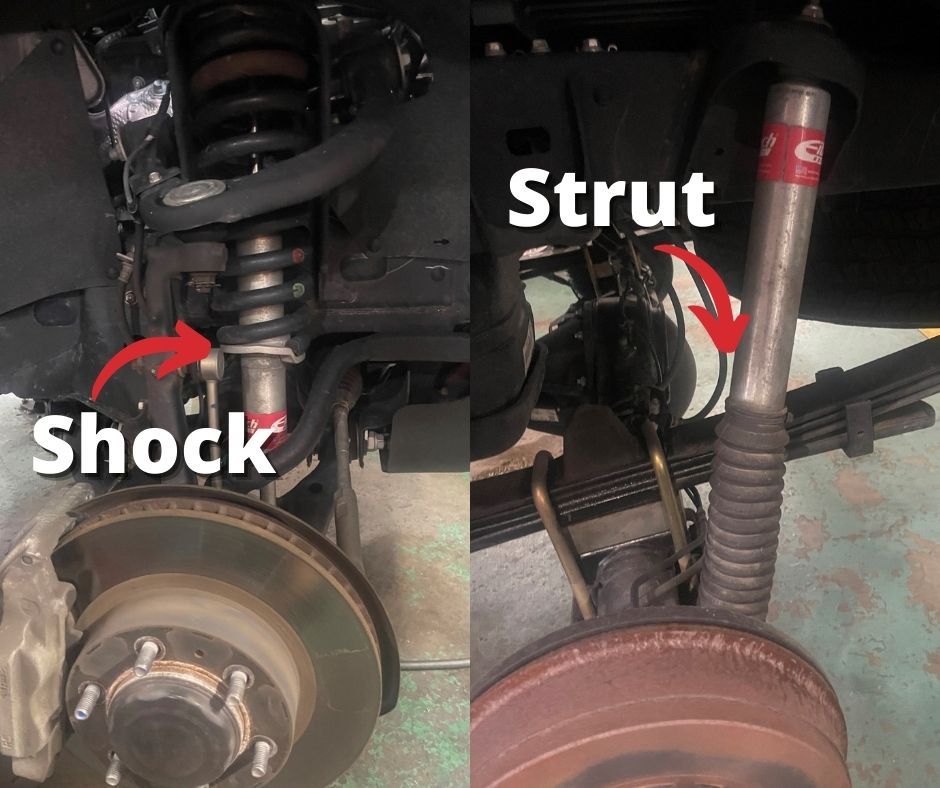
Your car’s shocks and struts play a vital role in keeping your ride smooth, stable, and safe by absorbing bumps and maintaining tire contact with the road. Over time, though, they wear out from constant use, rough conditions, or heavy loads, leading to handling issues, uneven tire wear, and even safety risks. Figuring out when to replace them isn’t always obvious since symptoms build gradually, but catching them early can save you from costly repairs like new tires or suspension parts. Based on insights from automotive experts like Firestone Complete Auto Care, Kelley Blue Book, and AutoZone, here are key indicators that it’s time for replacements. These tips apply to most vehicles, but always check your owner’s manual for specifics.
Check Your Mileage: The 50,000-Mile Benchmark
A good starting point for knowing when to replace shocks and struts is your odometer reading. Most manufacturers and service pros recommend inspecting them around 50,000 miles, with replacements often needed between 50,000 and 100,000 miles, depending on your driving habits. If you frequently hit potholes, drive on gravel roads, or tow trailers, you might need to swap them sooner, perhaps as early as 40,000 miles because these conditions accelerate wear on the internal seals and fluid. On the flip side, highway commuters in smooth areas could push closer to 100,000 miles before issues arise. This isn’t a hard rule, as some high-quality OEM parts last longer, but ignoring it can lead to a drop in performance where your car feels less controlled. Schedule a professional check at this milestone, even if no symptoms show, to catch subtle degradation.
2. Perform the Bounce Test: A Quick DIY Assessment
One straightforward way to test if your shocks or struts are failing is the classic bounce test, which you can do in your driveway without tools. Park on a level surface, go to each corner of the car, and push down hard on the bumper or fender a few times to get it rocking. Let go and watch: a healthy setup should settle after one or two bounces. If it keeps bobbing three or more times, the damping ability is shot, meaning the components aren’t controlling the springs properly anymore. This happens as inhternal valves wear out or fluid loses viscosity over time. It’s not foolproof modern cars with stiffer suspensions might bounce less anyway, but it’s a red flag that warrants a closer look. Do this test every oil change or 12,000 miles to stay ahead of problems.
3. Look for Leaks and Visible Damage: Spot the Obvious Wear
Inspecting visually can reveal clear signs that replacement is due. Pop the hood or look under the wheel wells for oily residue or wet spots on the shock or strut bodies these are leaks from hydraulic fluid escaping through cracked seals or housings. Fluid is crucial for cushioning impacts, so once it’s low, the part can’t function right, leading to a harsher ride and potential failure. Also, check for dents, rust, or bent rods, which might stem from hitting a curb or debris. Dirt buildup around the seals often accompanies leaks, signaling long-term exposure. If you see any of this, don’t delay; driving on leaking units can damage nearby parts like mounts or bushings. A mechanic can confirm with a lift inspection, but this DIY check takes just minutes and is especially important after rough drives.
4. Notice Changes in Ride Quality: Bumps Feel Worse
If your daily drive suddenly feels like a rollercoaster, with every pothole jarring you or the car bouncing endlessly over uneven pavement, it’s a strong indicator of worn shocks or struts. These parts are designed to dampen vibrations and keep the body stable, but as they degrade, they let the suspension oscillate too much, making rides bumpy, harsh, or floaty. You might adapt to it gradually, so pay attention if passengers complain or if it worsens on familiar roads. This symptom often pairs with reduced comfort over speed bumps or railroad tracks, where the car doesn’t recover quickly. In extreme cases, it can cause fatigue or motion sickness. Test by driving a known rough stretch; if it’s noticeably worse than before, get them checked. Replacing them restores that smooth feel and prevents stressing other components.
5. Watch for Braking and Acceleration Issues: Nose-Dives and Squats
Pay close attention to how your car behaves when stopping or starting. Worn shocks or struts often cause the front end to dive sharply downward during hard braking, or the rear to squat low when accelerating quickly. This “nose-dive” or “squat” happens because the components can’t manage weight transfer anymore, leading to uneven distribution and longer stopping distances up to 20% more in some cases, which is a safety hazard. It might feel like the brakes are weak, but it’s really the suspension failing to keep tires planted. Similarly, during quick starts, the rear dips as torque shifts backward unchecked. These issues are more pronounced with heavy loads or on inclines. If you notice this, especially combined with pulling to one side, it’s time for replacements to regain control and avoid accidents.
6. Monitor Handling and Steering: Swaying or Stiffness
Handling problems are another telltale sign. If your car sways or tips excessively in turns, leans during lane changes, or requires constant steering corrections to stay straight, the shocks and struts are likely worn. They maintain balance and alignment, so failure here makes the vehicle feel unstable, especially at highway speeds or in wind. Struts, which often integrate with steering, can cause the wheel to feel stiff or vibrate, wearing out related parts like tie rods. This symptom worsens on curves or with crosswinds, increasing rollover risk in SUVs. Test by taking a familiar corner at normal speed; if it feels looser than usual, don’t ignore it. Prompt replacement improves responsiveness and safety, often requiring an alignment afterward since struts affect wheel angles.
7. Listen for Noises: Clunks and Squeaks
Unusual sounds from the suspension can signal replacement time. Clunking or knocking when hitting bumps points to loose or broken internal parts in the shocks or struts, like worn bushings or mounts. Squeaking might come from dry seals or metal-on-metal contact due to lost fluid. These noises are louder on rough roads and indicate structural wear that could lead to total failure if ignored. They’re distinct from brake or engine sounds usually tied to up-and-down motion. If you hear them consistently, have a pro diagnose, as it might involve lifting the car. Addressing this early prevents escalation to more expensive fixes.
8. Examine Tire Wear: Uneven Patterns Like Cupping
Finally, check your tires for irregular wear, a common byproduct of bad shocks or struts. Look for “cupping”, scalloped dips or bald spots around the tread caused by the tires bouncing unevenly on the road without proper damping. This shortens tire life dramatically, often necessitating replacements every 20,000-30,000 miles instead of 50,000+. Edges might wear faster too, indicating alignment issues from sagging suspension. Rotate tires regularly to spot this early; if patterns persist, the root is likely the shocks. Fixing them evens out wear and saves money long-term.
Replacing shocks and struts isn’t cheap expect $500-1,000 for parts and labor, done in pairs for balance but it’s cheaper than dealing with accidents or secondary damage. If multiple signs appear, act fast; a mechanic can confirm with a road test or lift. Regular maintenance like this keeps your car reliable and extends its life. Drive safe and stay attentive to these cues.