
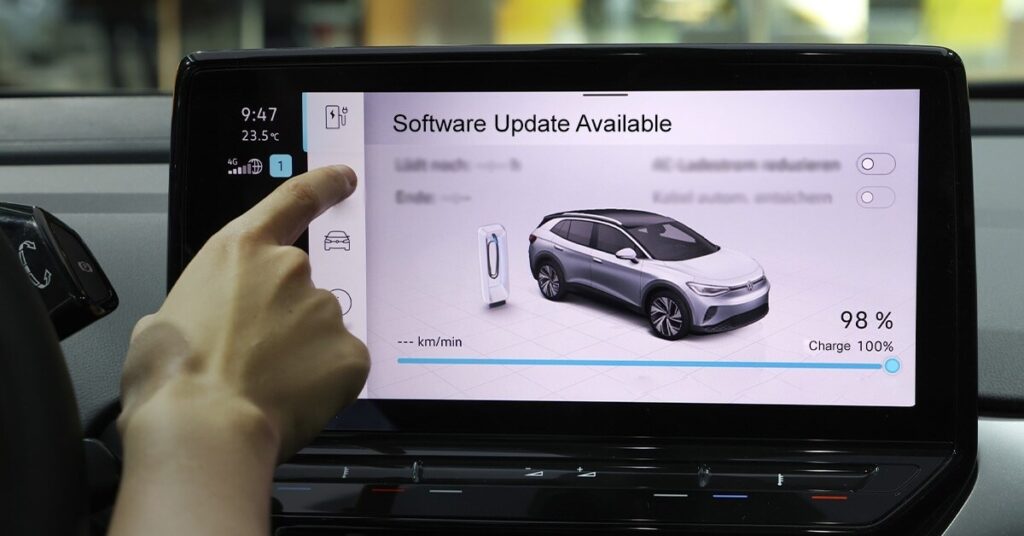
Modern cars are more computer than machine. The engine, brakes, transmission, infotainment, safety systems, and even the headlights are all controlled by software running on multiple electronic control units (ECUs). In 2025, the average new car has over 100 million lines of code—more than some fighter jets. That software is not set in stone when you drive off the lot. Manufacturers release updates regularly, just like your phone or laptop, and ignoring them means missing out on fixes, new features, and improved safety.
In Nigeria, where roads are rough and conditions change fast, staying current with these updates keeps your car safer, more efficient, and less likely to break down.Software updates fall into two main categories: over-the-air (OTA) and dealer-installed. OTA updates download directly through your car’s built-in internet connection (Wi-Fi or mobile data) when parked and connected. Many newer models from Toyota, Hyundai, Kia, and Mercedes support this. You get a notification on the screen or your phone, download it overnight, and the car applies it the next time you start.
Dealer updates require a visit to the service center, where they plug in a diagnostic tool and flash the new software. Both types address real problems.One of the biggest reasons to install updates is safety. Manufacturers find bugs after cars are on the road—maybe the automatic emergency braking reacts too late to a pedestrian, or lane-keeping assist drifts on certain road markings. An update patches that. For example, some Toyota models had updates fixing issues with adaptive cruise control in heavy rain, reducing the chance of rear-end collisions. In Nigeria, where sudden stops are common in traffic, these fixes matter.
Airbag deployment timing, stability control calibration, and blind-spot monitoring all improve through software. Skipping updates means driving with known vulnerabilities that the maker already solved.Performance and efficiency improve too. Updates optimize fuel mapping, throttle response, and transmission shifts.
Many drivers notice smoother acceleration or slightly better mileage after an update. In our fuel economy-conscious environment, even a 2–5% gain adds up over months. Some updates refine how the engine handles adulterated petrol, reducing knocking or misfires that happen with poor-quality fuel.Features can appear or get better.
A basic infotainment system might gain Apple CarPlay or Android Auto support through an update. Navigation maps get refreshed with new roads or traffic patterns. Voice commands become more accurate. For electric or hybrid cars, updates improve battery management, charging speed, or range estimates.
These are free enhancements that make the car feel newer without buying a new one.Reliability goes up. Software bugs cause warning lights to come on falsely, erratic idling, or random system shutdowns. Updates fix these glitches before they strand you. In Nigeria, where mechanics sometimes misdiagnose electrical faults, a current software version reduces false alarms and unnecessary repairs.Security is another factor. Connected cars can be hacked remote start, door locks, or tracking can be exploited.
Manufacturers release security patches to close vulnerabilities. Ignoring them leaves your car open to risks, especially if it has telematics or remote access features.How do you know when an update is available? Most cars show a notification on the screen or send one to your phone app. Check the infotainment menu under “Software” or “System Updates.” For dealer updates, service centers usually mention them during routine visits, but ask every time.
Some brands require a subscription for certain features after the warranty, but core safety and performance updates are almost always free.Not every update is urgent. Minor ones might improve menu layout or fix small glitches. Others address serious safety recalls those you should do immediately. If your car is older and does not support OTA, updates still happen at the dealer during service. Bring it in yearly for a check; they can flash the latest version while doing oil changes or inspections.Updates are not perfect. A few owners report minor bugs after an update, but these are rare and usually fixed in the next release.
The benefits far outweigh the risks modern cars are designed to be updated, and manufacturers test extensively before release.In Nigeria, where parts and labor can be expensive, keeping your car’s software current prevents many issues. It improves safety, efficiency, comfort, and security for little or no cost. Check for updates next time you start the car or during your next service. A few minutes of your time keeps the car running better for years.