
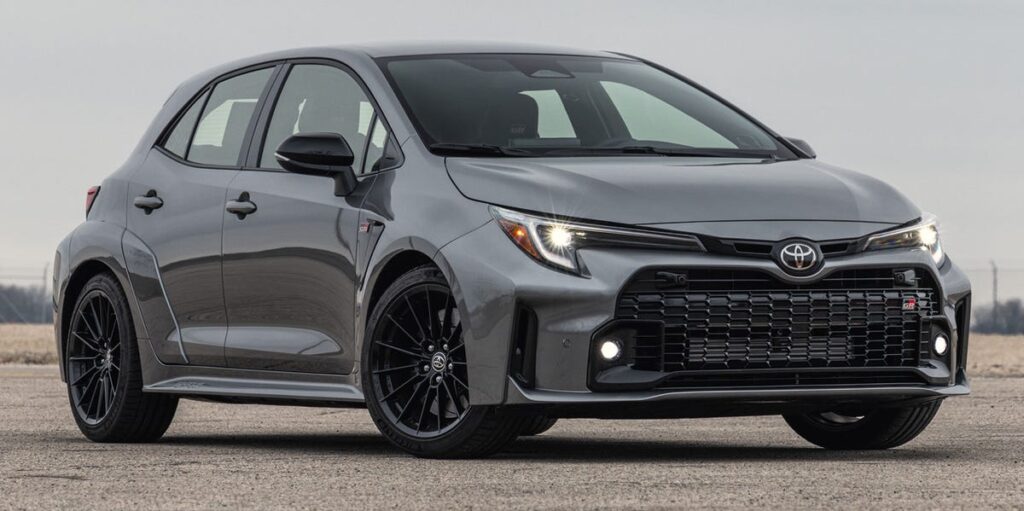
The 2026 Toyota Corolla continues to be one of the most sensible choices for Nigerian drivers. It is not flashy or full of gadgets, but it does what most people need: reliable daily transport that survives bad roads, heavy traffic, and inconsistent fuel quality. Toyota made only subtle changes for 2026, focusing on refinement rather than revolution. The result is a sedan (and hatchback) that feels familiar yet slightly improved in the areas that matter most—comfort, efficiency, and long-term ownership costs.The exterior styling stays very close to the 2023–2025 models. The front grille is a bit cleaner, with slimmer LED headlights that give a sharper look without being aggressive. The rear gets new taillight graphics that are easier to spot at night. Body lines remain smooth and aerodynamic, which helps fuel economy and keeps wind noise low on highways like Lagos-Ibadan. Ground clearance is still around 135–140 mm—adequate for most city potholes but not ideal for very rough rural tracks. Overall, it looks modern without trying too hard, and the design has aged well.Under the hood, the lineup sticks to what works. The base engine is the familiar 1.8-liter four-cylinder petrol unit producing about 139 horsepower and 172 Nm of torque. It pairs with a CVT that feels smooth in traffic. Real-world fuel economy in Lagos conditions lands around 12–14 km/l combined, sometimes higher on lighter days. The hybrid version, available in higher trims, uses the same 1.8-liter engine with electric motors for a total system output of around 121 horsepower. In city driving, the hybrid often returns 18–22 km/l, which is a game-changer when fuel prices spike. The hybrid battery is warrantied for eight years or 160,000 km, giving peace of mind. Both engines handle Nigeria’s variable fuel quality reasonably well, though premium petrol helps the hybrid run smoother.The interior is where the 2026 model feels most improved. Materials are still mostly hard plastics, but the fit and finish are tighter than before. The dashboard layout is clean, with physical buttons for climate control that are easy to use while driving. The 8-inch touchscreen is standard, with wireless Apple CarPlay and Android Auto on most trims. Sound quality from the six-speaker system is decent for daily use—clear enough for Afrobeats and podcasts without distortion at highway volumes. Front seats are comfortable for long sits, with good cushioning and enough adjustability. Rear legroom is adequate for adults, though three across is tight. Trunk space is generous at around 370 liters, enough for weekend luggage or market runs.Safety remains a strong point. The 2026 Corolla comes with Toyota Safety Sense 3.0 on most trims. This includes pre-collision braking with pedestrian detection, lane departure alert with steering assist, adaptive cruise control with stop-and-go, automatic high beams, and road sign recognition. In real Nigerian driving, the lane departure system helps on highways when fatigue sets in, and adaptive cruise makes stop-go traffic less tiring. Blind-spot monitoring and rear cross-traffic alert are available on higher trims and are worth the extra cost in busy cities.Ride quality is tuned for comfort over sportiness. The suspension soaks up potholes better than most rivals, though sharp bumps still transmit some jolt. Road noise is well controlled for the class, and the cabin stays quiet at highway speeds. Steering is light and accurate, making it easy to maneuver in tight Lagos streets or park in crowded markets.Ownership costs are low. Parts are widely available and affordable, mechanics know the car inside out, and insurance premiums stay reasonable.
Fuel efficiency keeps running costs down, especially with the hybrid. Resale value holds strong Corollas consistently top used-car listings because buyers trust their durability.If you want a car that is reliable, economical, safe, and easy to live with in Nigerian conditions, the 2026 Corolla is still one of the best options. It is not exciting to drive, but it is built to survive our roads and keep you moving without constant worry. Test drive both the petrol and hybrid versions if possible the hybrid is worth the extra upfront cost for anyone doing serious city mileage.