
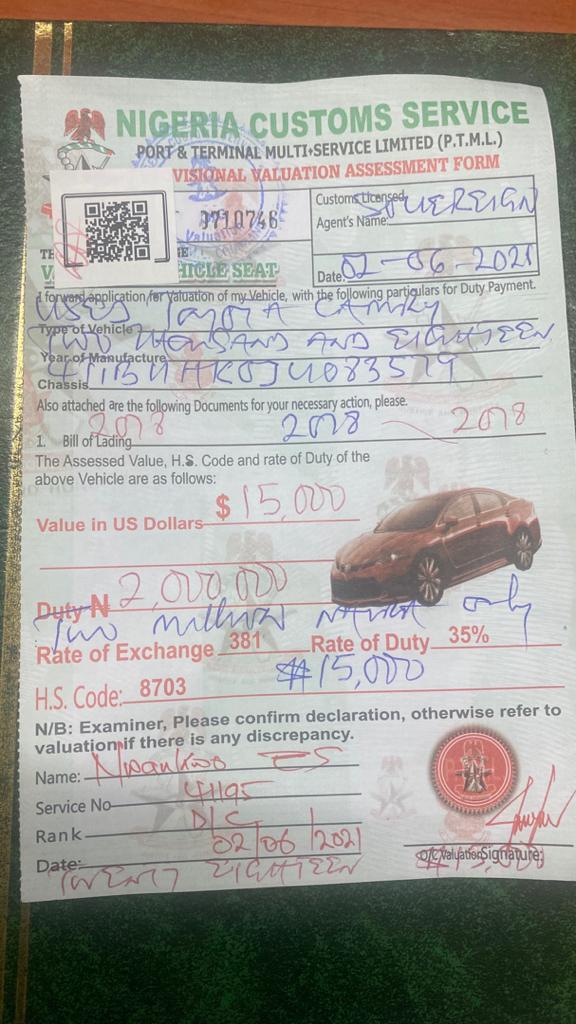
Driving with expired vehicle papers is one of the most common reasons cars get impounded or drivers get fined across Nigeria. With frequent checks by FRSC, LASTMA, VIO, and state traffic agencies, an expired licence, roadworthiness certificate, or insurance can quickly turn a simple journey into an expensive ordeal. Understanding the penalties by state and how to stay compliant helps you avoid unnecessary stress and costs in 2026.
At the federal level, the FRSC sets baseline penalties that apply nationwide. Driving with an expired or missing vehicle licence attracts a ₦3,000 fine. Operating without a valid driver’s licence costs ₦10,000, while driving without a roadworthiness certificate usually attracts ₦5,000 to ₦10,000 depending on the specific violation. These are national minimums, but state agencies often impose higher penalties and additional charges like towing and daily storage fees.
In Lagos State, LASTMA enforces some of the strictest rules. Driving without valid vehicle documents can lead to impoundment of your car and fines starting from ₦20,000 for first offenders, with subsequent offences attracting ₦30,000 or more. Roadworthiness and insurance violations often result in the vehicle being towed, adding extra storage costs of ₦2,000 to ₦5,000 per day. Many drivers in Lagos report that combining multiple expired documents can push total penalties above ₦50,000 quickly.
In Abuja and other FCT areas, the VIO and FRSC work closely. Penalties here are generally closer to federal rates, but impoundment is common for repeated offences. Storage fees apply after 24 hours, and retrieving your vehicle requires proof of ownership and full payment of fines.
In states like Rivers, Delta, and Akwa Ibom in the South-South, fines for expired papers range from ₦10,000 to ₦25,000 depending on the local traffic agency. Commercial vehicles often face higher penalties. Northern states such as Kano, Kaduna, and Bauchi tend to align more closely with FRSC rates but enforce impoundment strictly during special operations.The easiest way to avoid these penalties is through consistent document renewal. Set reminders three months before any document expires. Vehicle licence and roadworthiness certificates are renewed annually, while driver’s licences are valid for five years. Third-party insurance must be renewed yearly. Many drivers now use mobile apps or banking platforms that send renewal alerts.
Renew your documents early at official centres. For driver’s licences, visit any FRSC Drivers Licence Centre. Roadworthiness certificates are handled by VIO offices, while insurance can be purchased from any NAICOM-licensed company. Keeping digital copies on your phone alongside physical documents provides extra protection during checks.If your car is impounded, remain calm and ask for official documentation. Pay fines through approved channels (usually banks or online portals) and keep receipts. Avoid settling informally on the roadside, as this can lead to further complications. Recent court judgments have strengthened motorists’ rights, making it easier to challenge unlawful impoundments.Budget for renewals as part of your annual car maintenance. The total cost for keeping all documents valid usually ranges between ₦25,000 and ₦60,000 per year for a private car, depending on the vehicle type. This is far cheaper than paying fines and storage fees after a seizure.Staying compliant with vehicle papers is one of the simplest ways to enjoy stress-free driving in Nigeria. By renewing on time, keeping proper records, and understanding the penalties in your state, you protect yourself from avoidable financial losses and disruptions. A little organization goes a long way toward keeping your car on the road legally and safely